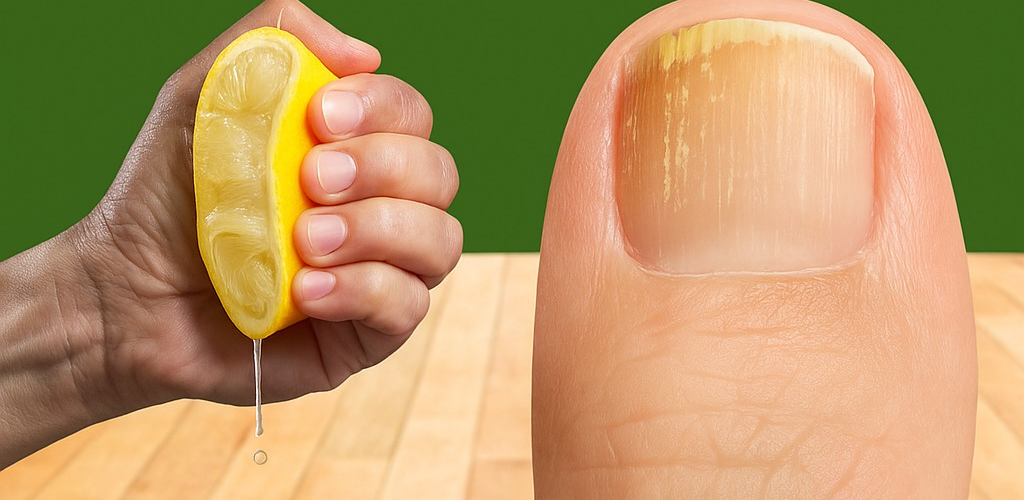
Nail Fungus Removal: A 100% Natural Treatment for Athlete’s Foot
Nail fungus (onychomycosis) is a persistent and unpleasant problem that affects many people. While there are many medical and over-the-counter treatments available, many are looking for natural alternatives. It’s important to note that the effectiveness of natural treatments can vary from person to person and are not a substitute for professional medical treatment for serious infections. However, the following natural methods can help combat the fungus and improve nail health.
Important Note!
Consult your doctor! Before starting any home treatment, especially if you have diabetes, poor circulation, or an immunocompromised condition, consult your doctor or dermatologist.
Patience and Consistency: Treating nail fungus takes time because the nail grows slowly. Daily application for months may be necessary until the healthy nail fully regrows. Hygiene: Good hygiene is essential to prevent reinfection.
Natural Treatments for Toenail Fungus
Here are some 100% natural approaches that you can also combine:
Tea Tree Oil:
Why is it effective? It has powerful antifungal and antiseptic properties.
Directions: Clean and dry your feet. Apply 1 to 2 drops of pure (100%) tea tree oil directly to the affected nail and surrounding skin. Rub in gently. Repeat twice daily. For sensitive skin, it can be mixed with a carrier oil (e.g., coconut oil).
Oregano Oil:
Why is it effective? It contains carvacrol, another powerful antifungal agent. Directions: Similar to tea tree oil, diluted in a carrier oil (e.g., olive oil) (e.g., 1 to 2 drops of oregano oil to 1 teaspoon of carrier oil) and applied to the affected area twice daily.
Vinegar (apple cider vinegar or white vinegar):
Why is it effective? Vinegar creates an acidic environment that is unfavorable for fungal growth.
Directions: Prepare a foot bath with a 1:1 mixture of vinegar and warm water. Soak your feet daily for 15 to 20 minutes. Then, dry them thoroughly. In smaller, diluted amounts, it can also be applied directly to the nail with a cotton swab.
Baking soda:
Why is it effective? It helps neutralize odors and creates a more alkaline environment that inhibits fungal growth.
Directions: Sprinkle baking soda in socks and shoes to absorb moisture. You can also make a paste with water, apply it to the affected nail, and leave it on for 10 to 15 minutes before rinsing.
Garlic:
Why is it effective? Contains natural antifungal compounds, such as allicin.
Directions: Crush a few garlic cloves, add a little olive oil, and apply to the affected nail. Leave it on for 30 minutes and rinse. Repeat daily. Eating garlic can also help strengthen the immune system.
Coconut oil:
Why is it effective? Contains lauric acid, which has antifungal properties. It also moisturizes the skin and nails.
Directions: Rub coconut oil into the affected nail and toenail several times a day.
Lemon juice:
Why is it effective? Acidic, antifungal, and disinfectant.
Directions: Rub fresh lemon juice into the affected nail, leave it on for 10 to 15 minutes, and then rinse. Medical Hydrogen Peroxide (3%):
Why is it effective? Antiseptic and antifungal, it can help kill superficial fungus.
Instructions: Dilute in equal parts with water and soak the affected nail for 15 to 20 minutes daily. Or apply directly with a cotton ball.
Vicks VapoRub:
Why is it effective? Although not a natural herbal remedy, it contains eucalyptus oil, camphor, and menthol, which are believed to have antifungal properties.
Instructions: Apply a thick layer of cream to the affected nail once or twice daily.
Dietary Changes:
Why is it effective? A healthy gut flora is crucial for the immune system. Fungus tends to proliferate when the immune system is weakened.
How to use: Reduce your intake of sugar and refined carbohydrates, which feed fungus. Increase your intake of probiotic foods (fermented foods, yogurt, kefir) and antifungal foods (garlic, onion, ginger)