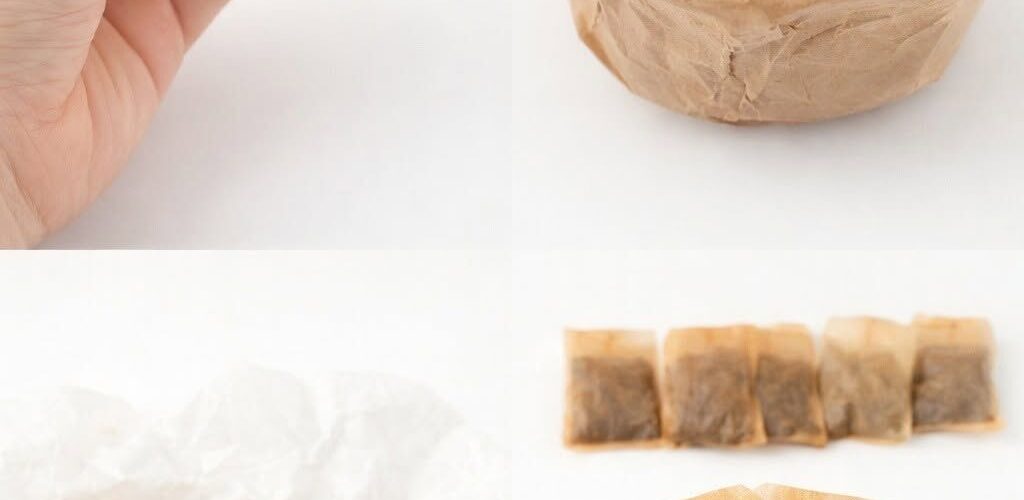
Used tea bags are far too good for the trash, because the tannins, caffeine, and essential oils they contain can be used in a variety of ways around the house, for personal care, and in the garden.
Household & Cleaning
Grease remover for pots: Soak burnt-on pans overnight in warm water with 2-3 used tea bags. The tannins will soften the encrustations.
Odor neutralizer: Dried tea bags absorb odors in the refrigerator, trash can, or musty sneakers.
Streak-free shine: Damp black tea bags dissolve grease and fingerprints on mirrors and windows; simply wipe and then polish dry.
Personal Care & Wellbeing
Revive tired eyes: Place chilled black or green tea bags on your closed eyes. The caffeine constricts the blood vessels and reduces puffiness and dark circles.
Soothe skin irritations: Chamomile or black tea has a calming effect on insect bites, razor burn, and mild sunburn.
Deodorizing foot bath: The tannins in the tea have antibacterial properties and reduce foot perspiration and odor.
Garden & Plants
Nutrient-rich fertilizer: Cut open the tea bag and mix the moist contents into the potting soil. This improves the soil structure and provides valuable minerals.
Protection against fungal infections: A light infusion of used tea bags in the watering can protects houseplants from mold and fungi.