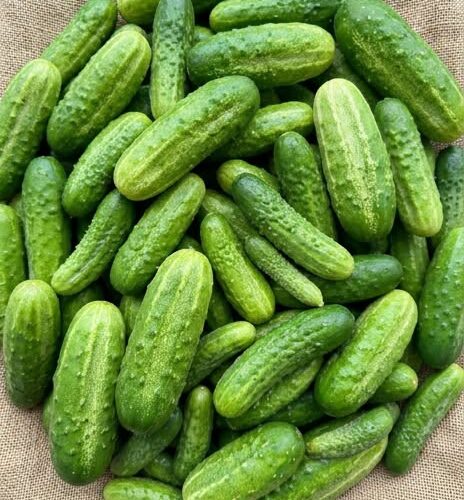
Cucumber is an absolute classic in salads. It is often overlooked as a mere “filler” due to its high water content, but this popular member of the cucurbit family offers much more from a medical point of view.
Here is what nutritionists and doctors reveal about the real effects of cucumbers in salads – both positive and negative.
What happens in the body (benefits)
Cellular hydration at its best: Cucumbers consist of approximately 95-96% water. From a medical point of view, the water in the vegetable is bound to minerals such as potassium, which promotes the absorption of fluids in the tissues.
Blood pressure regulation: A medium-sized cucumber provides a significant amount of potassium. Potassium acts as a natural antagonist of sodium (table salt) in the body, helping to maintain stable blood pressure and reduce swelling/fluid retention.
Gentle on digestion: The skin contains insoluble fiber, while the pulp contains soluble fiber (such as pectin). This promotes bowel movements and nourishes healthy intestinal flora.
Phytochemicals: Cucumbers contain cucurbitacins and flavonoids (e.g. fisetin). Medical studies attribute anti-inflammatory properties to these antioxidants.
Myth: Is combining cucumbers with tomatoes harmful?
A persistent myth claims that cucumbers and tomatoes should not be eaten together in salads because the ascorbinase enzyme in cucumbers supposedly destroys the vitamin C in tomatoes.
Doctors reassure: From a gastroenterological point of view, it is completely safe in everyday life. While the enzyme slowly breaks down vitamin C at room temperature if the pieces of vegetables sit for hours, if you prepare the salad and eat it fresh (or use a little vinegar/lemon juice in the dressing, which inhibits the enzyme), your body absorbs a lot of the nutrients.
What sensitive individuals should be aware of
Not everyone tolerates cucumbers in salads equally well. Doctors often point out two things:
Stomach pressure and bloating: Sometimes cucumbers cause belching or a feeling of fullness. This is usually due to bitter substances (cucurbitacins) or hard-to-digest fiber in the skin.
Tip: Peel the cucumbers thinly or remove the seeds.
Don’t salt them too soon: Salt will draw water out of the cucumber very quickly by osmosis. The salad will become watery and lose its crunch. It’s best to salt cucumber salad just before eating.
Nutritional information at a glance
Nutrient / properties Amount (approximately 100 g of cucumber) Effect on the body
Calories ~ 15 kcal Extremely light, ideal for weight control
Water ~ 95.5 g Hydrates tissues and skin
Potassium ~ 140 mg Supports heart and blood pressure
Vitamin K ~ 16 µg Important for blood clotting and bone