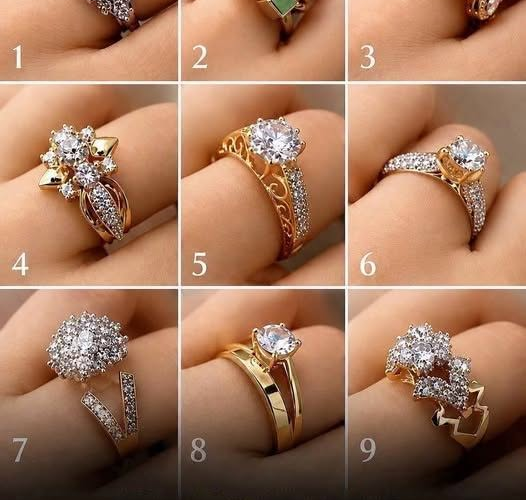
A quick personality test for a fun break! Intuitively choose one of the following five rings without overthinking it:
Ring 1: A classic, simple gold band without a stone.
Ring 2: An opulent ring featuring a deep blue sapphire and ornate details.
Ring 3: A delicate silver ring with a small, sparkling diamond.
Ring 4: A sturdy ring made of dark stainless steel or titanium with a geometric pattern.
Ring 5: A vintage-style ring featuring a warm, glowing amber or opal.
Here is what your choice reveals about you:
Ring 1: The simple gold ring
The essence: Down-to-earth, reliable, and authentic. You value clarity, tradition, and quality. Frills and unnecessary drama are anathema to you. People appreciate your honest nature and your ability to remain calm even during hectic times. You know exactly who you are and have nothing to prove to anyone.
Ring 2: The opulent sapphire ring
The essence: Passionate, profound, and self-confident. You rarely settle for the ordinary. You have a keen sense of aesthetics, love deep conversations, and often follow your strong intuition. You have a captivating presence and aren’t afraid to take responsibility or step into the spotlight.
Ring 3: The delicate diamond ring
The essence: Attentive to detail, elegant, and observant. You have an eye for the finer things in life that often escape others. You act thoughtfully, are empathetic, and handle interactions with others diplomatically. Your strength lies in your understated elegance and your ability to create harmony in your surroundings. Ring 4: The dark stainless steel ring
The essence: Independent, determined, and resilient. You like to forge your own path and aren’t easily swayed by the opinions of others. You are pragmatic, solution-oriented, and value functionality as well as mental strength. When you set a goal, you pursue it with great perseverance.
Ring 5: The vintage amber/opal ring
The essence: Creative, mysterious, and nostalgic. You are a creative soul with a rich inner world. Storytelling, art, or nature mean a great deal to you. You possess keen intuition and are often drawn to things that have a story or a unique soul.
Which ring did you choose—and do you recognize yourself in the description?