Here’s another one of those typical sensationalist headlines that sounds like a “secret trick”!
The good news is: After the harvest in midsummer is indeed the most important time to set the course for next year. It’s not a magic trick, but simply the right combination of care that currants need.
If you treat your bush like this immediately after harvesting, it will reward you next year with double the yield:
- Summer Pruning (Thinning)
This is the most important step. Currants bear the most and largest fruit on 1- to 3-year-old shoots. Older branches only cost the plant energy and produce hardly any fruit.
Red & White Currants: Cut all dark, thicker branches older than 3 years right down to ground level. Leave about 8–10 of the strongest young shoots.
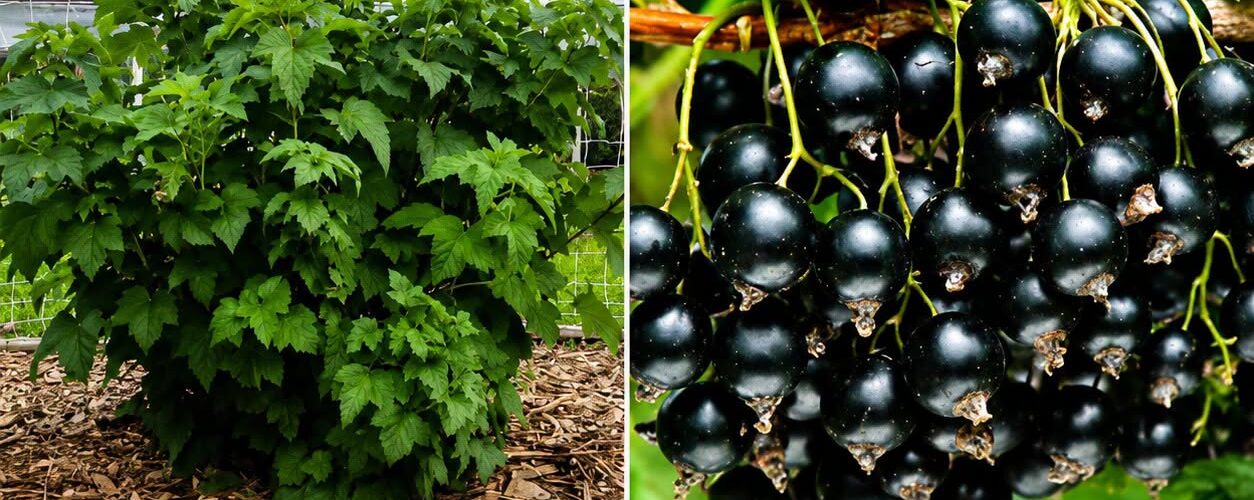
Blackcurrants: These bear fruit best on one-year-old wood! Cut back harvested shoots close to the ground to encourage new growth for next year.
Make it light-filled: Remove inward-growing or crossing branches. Rule: A sparrow should be able to fly through the bush!
- The “Summer Snack” (Nutrients)
After harvesting, the bush already forms buds for the following spring.
Place a handful of compost or organic berry fertilizer around the base (not directly on the trunk).
A little coffee grounds is also beneficial for blackcurrants, as they prefer slightly acidic soil.
- The Mulch Layer Against Drought
Blackcurrants are shallow-rooted. If the soil dries out in late summer, bud formation for the following year suffers significantly.
Cover the soil under the shrub with a 5 cm thick layer of bark mulch, grass clippings, or straw.
This retains moisture in the soil, protects the shallow roots from heat, and suppresses weeds.
- Water thoroughly
After pruning and fertilizing, give the shrub a good soaking (1-2 watering cans) so that the nutrients are flushed directly to the roots and it can recover from the stress of fruiting.
Conclusion: No expensive products are needed! Simply remove old wood, add some compost, mulch, and water – that’s really all there is to it right after harvesting.