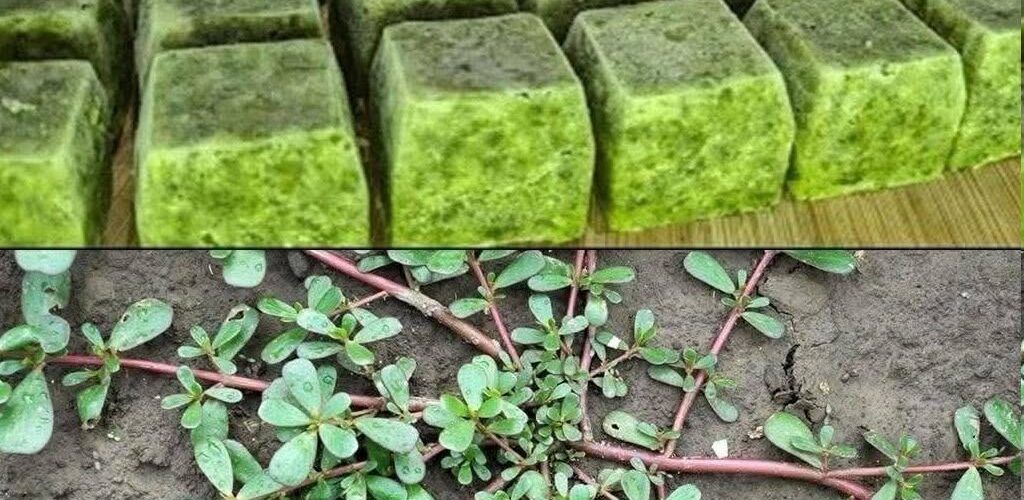
This “weed,” often cited in horticulture, is usually garden purslane (Portulaca oleracea) – closely followed by common chickweed (Stellaria media). Both are considered extremely valuable indicator and useful plants by gardeners and those who grow their own food.
Why purslane is considered a “goldmine”:
Superfood in the garden: Purslane contains more omega-3 fatty acids than almost any other leafy plant, as well as plenty of vitamin C, magnesium, and potassium. It has a slightly nutty, tangy flavor and is excellent in salads.
Living mulch: The plant grows flat along the ground, forming a dense carpet. This protects the soil from drying out and prevents erosion without depriving deep-rooted plants of nutrients.
Soil indicator: Where purslane grows naturally, the soil is humus-rich, loose, and well-aerated.
“` Other candidates with “gold mine” status
Plant Why you shouldn’t trample them Uses in the garden & kitchen
Chickweed Indicates perfect nitrogen levels in the soil; provides cold protection for soil bacteria in spring and autumn. Tastes fresh like young peas; contains twice as much calcium as spinach.
Broadleaf plantain Often grows on compacted paths and breaks up hard soil for subsequent plants. Considered a “meadow plaster”: Crushed leaves immediately relieve the pain of insect bites.
Ground ivy Protects the soil under hedges from drying out and attracts beneficial insects such as wild bees. An old medicinal herb; suitable as a flavorful culinary herb.