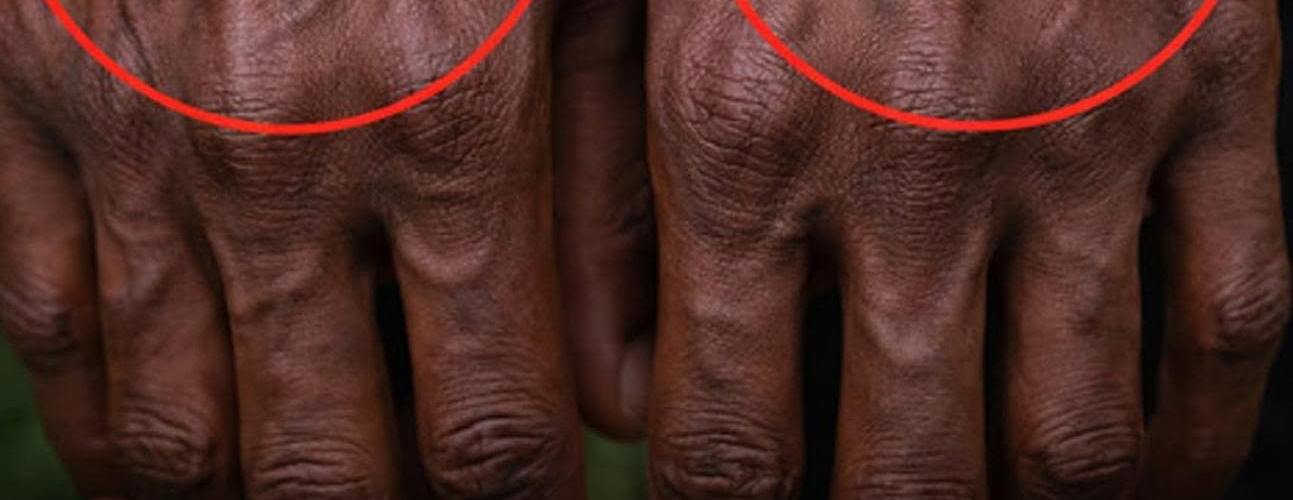
Visible veins—for example, on the hands, forearms, or legs—are often perceived as bothersome for cosmetic reasons. Medically speaking, however, they are completely harmless in the vast majority of cases and reveal a lot about one’s physique and lifestyle.
What visible veins typically mean:
Low body fat: When subcutaneous fat tissue is thin, the veins lie closer to the skin’s surface and are more prominent.
Muscle building and exercise: During physical exertion, blood pressure in the vessels rises, forcing water into the surrounding muscle tissue. The muscle swells and pushes the veins upward against the skin. Regular exercise also improves blood flow.
Genetics and skin type: Very fair, fine, or elastic skin makes blood vessels appear more transparent. Connective tissue structure is also inherited.
Aging process: As we age, the skin loses collagen and elasticity, and the subcutaneous fat tissue diminishes. This makes veins more visible.
Heat and warmth: In high temperatures, blood vessels dilate to dissipate heat through the skin, making them more voluminous and visible.
When caution is advised: While prominent veins on the hands and arms are almost always physiologically normal, veins on the legs should be monitored more closely. If they appear twisted, knotted, or thickened (varicose veins), or if pain, swelling, or a feeling of heaviness occurs, a doctor should be consulted to rule out venous insufficiency (weakness of the vein valves) or thrombosis.