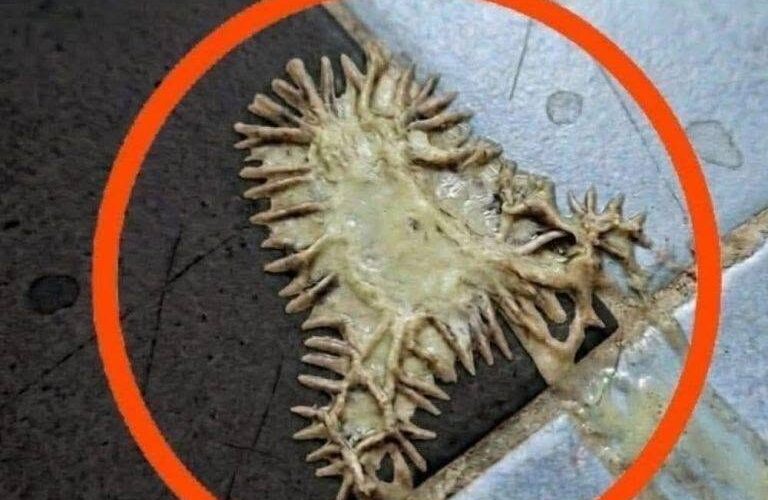
The supposedly “slippery mold” is in most cases not a fungus at all, but a bacterial biofilm – usually caused by the bacterium Serratia marcescens (or yeasts like Rhodotorula). It forms a characteristic pink, orange, or yellowish, slimy coating on damp surfaces in the bathroom.
Fact Check: Biofilm vs. True Mold
Criteria: “Pink Mold” (Biofilm) True Mold (e.g., Black Mold)
Causes: Bacteria (Serratia marcescens) Fungi / True Fungi (Aspergillus, etc.)
Appearance & Texture: Pink to orange, slimy, greasy; Black, green, or gray; Spotty and dry/powdery
Nourishment source: Grease and soap residue, shower gel, skin flakes; damp building materials, silicone, wallpaper, dust
Location of infestation: Superficial on tiles, grout, shower curtains. Penetrates deep into grout, plaster, and silicone.
Is the coating really harmless?
For healthy people: Yes, largely. The biofilm breaks down easily, does not penetrate walls, and does not release mold toxins (mycotoxins) into the air.
For people with weakened immune systems: No. Serratia marcescens is an opportunistic pathogen. If the bacterium enters open wounds, the eyes, or the urinary tract (e.g., in the elderly, young children, or immunocompromised individuals), it can cause infections.
How to permanently remove the slippery coating: Thoroughly wash off the breeding ground: Scrub the coating with a brush and a regular all-purpose cleaner or dish soap to completely remove soap scum and grease.
Disinfect: Spray the area with 70% alcohol, hydrogen peroxide, or a chlorine-based cleaner to kill the bacteria.
Rinse tiles after showering: Always rinse shower gel and shampoo residue directly from the walls and grout with cold water.
Wipe dry: Dry walls and shower cubicles with a squeegee after use. Bacteria cannot survive without standing water.