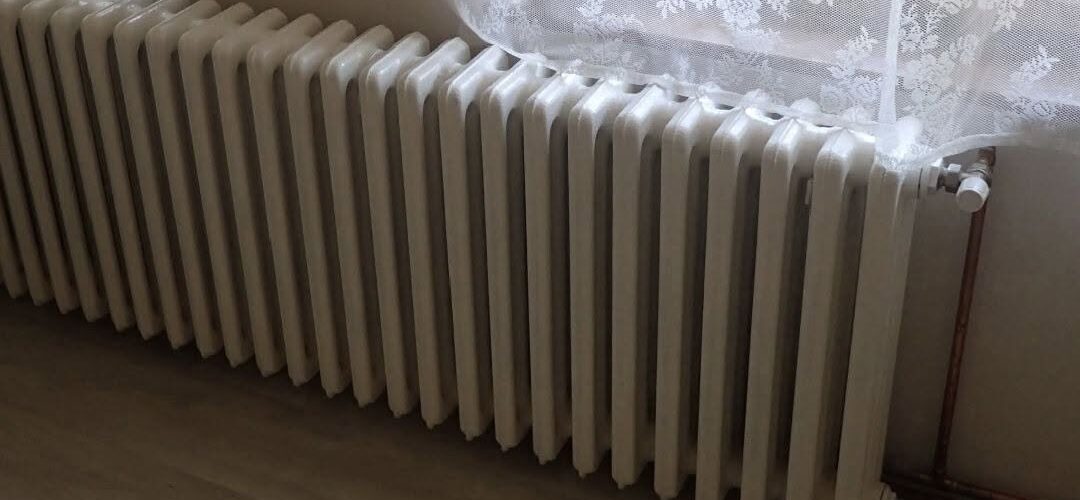
Choosing the right radiator depends on the building’s heating system (gas boiler, heat pump), the room’s characteristics, and individual usage needs.
Which type of radiator is recommended for whom?
Radiator type Main features For whom and where are they suitable?
Sheet steel radiators (e.g., Purmo, Vogel&Noot) Excellent value for money, fast response time, traditional scalability (e.g., types 22K, 33K). The most practical choice for general home use, for existing gas central heating systems.
Aluminum radiators (e.g., Fondital, Global) High heat output, corrosion-resistant, aesthetically pleasing, expandable per element, and low water retention. For low-temperature systems (heat pump, condensing boiler) and damp rooms.
Towel radiators Tubular frame, space-saving design. Can also be combined with an electric heating element for transitional seasons. For bathrooms and laundry rooms, for drying textiles, and for heating rooms.
Electric radiator (e.g., Adax, Atlantic): Operating without a central pipe network, it runs exclusively on electricity and features a precise, integrated thermostat. Suitable for vacation homes, apartments, or as supplemental heating without hot water supply.
Things to consider before buying:
Power output: With average ceiling height and moderate insulation, expect a heating requirement of approximately 30–40 watts/m³.
Type designations (11, 22, 33): The first number indicates the number of water plates, the second the number of convector fins. Type 22 is the most popular compromise, while Type 33 offers the highest heating output.
Flow temperature: When using a heat pump (water temperature only 35–45 °C), you will need a radiator or fan convector with a significantly larger surface area.