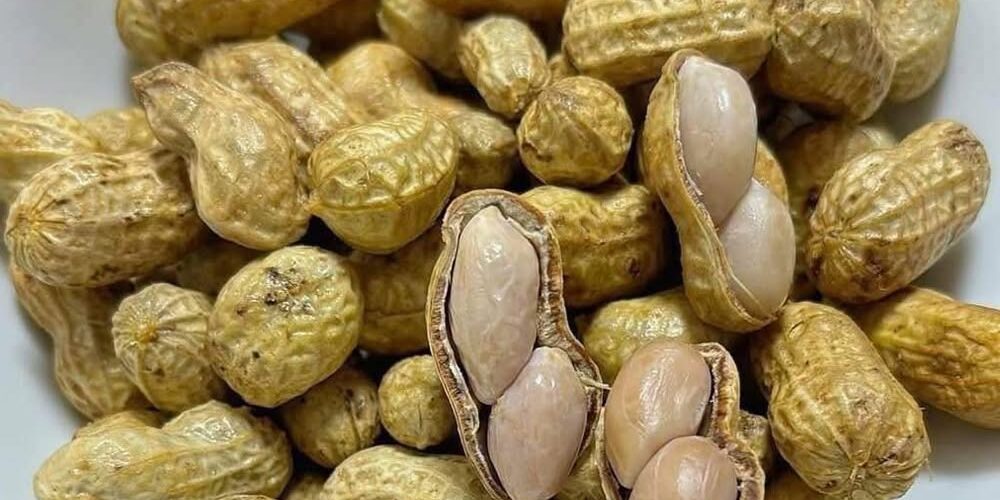
Behind this typical sensationalist headline lies a clear medical reality: A handful of peanuts (approx. 30 grams) a day is very healthy for most people – as long as they are unsalted and natural.
The Positive Effects of Daily Consumption
Cardiovascular Protection: Peanuts are rich in monounsaturated and polyunsaturated fatty acids. Studies show that regular consumption can lower “bad” LDL cholesterol and reduce the risk of heart disease.
Satiety & Blood Sugar: The combination of plant protein (approx. 25%), fiber, and healthy fats keeps blood sugar levels stable and prevents cravings.
Micronutrients: They provide plenty of magnesium (important for muscles and nerves), B vitamins (such as folic acid and niacin), vitamin E, and cell-protecting antioxidants (e.g., resveratrol).
What nutritionists warn about
The salt and frying fat trap: Salted, fried, or seasoned peanuts reverse their positive effects. High salt levels put a strain on blood pressure and make it difficult to stop eating in time.
High calorie density: With around 560–600 kcal per 100 grams, peanuts are very energy-dense. Uncontrolled snacking quickly leads to an unwanted calorie surplus.
Aflatoxin risk: Peanuts grow underground and are susceptible to the mold Aspergillus flavus, which can produce carcinogenic aflatoxins. Strict import controls ensure quality; nevertheless, the rule is: If a peanut smells or tastes musty or bitter, it should be thrown away.
Oxalates: People prone to calcium oxalate kidney stones should consume peanuts only in moderation due to their higher oxalate content.
The ideal amount
Nutrition societies recommend a daily dose of a closed handful (25 to 30 grams) of raw or dry-roasted, unsalted peanuts.