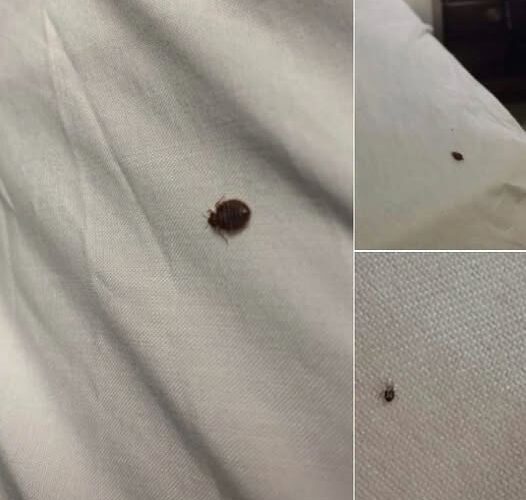
Uninvited guests at home: What to do if you find parasites in your bed or on your clothes
Discovering insects in your own bed or on your child’s clothes is always a shock and stress for the whole family. However, it is important not to panic, but to act consistently and thoughtfully.
The main suspects and their signs
Bed bugs
Where they are found: In the seams of the mattress, under the corners of the sheets, behind the headboard, in the crevices of furniture.
What they look like: Small (4–7 mm), oval, flattened insects of brown or reddish-brown color.
Traces: Small dark spots on linen (excrement), tiny drops of blood on the sheets, itchy bites on the body, arranged in a chain.
Head or body lice
Where to find them: Body lice live in the folds and seams of clothing, and head lice live on the scalp (leaving nits on the hair or collar).
What they look like: Small (2–4 mm) grayish-white insects.
Signs: Severe scratching by the child, small red bites on the neck, shoulders or scalp.
Step-by-step action plan
Inspection and identification: Carefully inspect the child, the seams of their clothing, as well as the mattress and bedding under a bright light (you can use a flashlight).
Hot washing: Remove all bedding and child’s clothing and wash at a temperature of at least 60°C. After drying, be sure to steam iron the items.
General cleaning: Vacuum mattresses, carpets, baseboards and crevices in furniture. Immediately after that, throw the dust bag outside.
Disinfection and treatment: If you find bedbugs, it is best to contact a professional disinfestation service. In the case of lice, purchase a special anti-pediculosis product for treating the head or things at the pharmacy.
If you want to refine the article specifically for your situation, tell us more: what exactly did you find (size, color, appearance) or for which audience do you need to write the material?