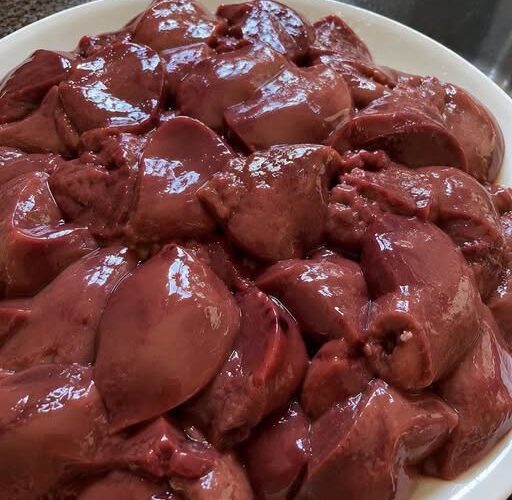
Behind this typical social media headline are usually sensationalized warnings about ingredients or germs in chicken liver. Even though chicken liver is extremely nutrient-rich (high in iron, B vitamins, and protein), nutritionists and doctors actually point to four main risks:
- Vitamin A overdose (hypervitaminosis A)
Danger: The liver stores extremely high levels of vitamin A. Excessive intake at once can lead to headaches, nausea, and, in the long term, liver and bone damage.
Special warning: Pregnant women should completely avoid liver, as an excess of vitamin A can lead to birth defects.
- Risk of infection from Campylobacter & Salmonella
Danger: Poultry liver is susceptible to bacteria such as Campylobacter.
Consequences: Diarrhea, gastrointestinal cramps, and fever.
Important: Chicken liver must always be cooked thoroughly (no pink center) to kill any pathogens.
- High Cholesterol Content
Danger: Offal such as chicken liver contains a relatively high amount of cholesterol.
Consequences: People with lipid metabolism disorders or cardiovascular diseases should limit their consumption.
- Contamination (Heavy Metals & Medications)
Danger: Since the liver is the chicken’s detoxification organ, residues of heavy metals (such as cadmium) or antibiotics can accumulate in it.
Conclusion: For healthy adults, chicken liver is a healthy food when eaten in moderation (e.g., 1–2 times a month, thoroughly cooked). However, pregnant women and people with pre-existing medical conditions should be cautious.