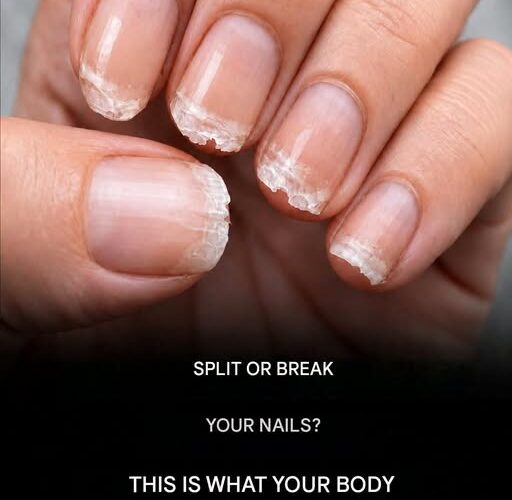
Brittle or splitting nails (known medically as onychoschizia) are usually caused by external environmental factors like frequent handwashing, but they can also serve as an early indicator of underlying nutritional deficiencies or systemic health conditions.
Primary Internal Causes
- Iron Deficiency (Anemia): Low iron levels impair oxygen delivery to the nail matrix, leading to weak, easily peeling nails or concave “spooned” nails (koilonychia).
- Thyroid Imbalances: An underactive thyroid (hypothyroidism) slows metabolism, causing severe skin dryness alongside brittle, slow-growing nails.
- Nutritional Deficiencies: Inadequate levels of protein, biotin (vitamin B7), zinc, or essential fatty acids disrupt keratin synthesis—the structural protein that forms the nail plate.
- Dehydration: Insufficient fluid intake or low ambient humidity drains moisture from the keratin layers, making them rigid and prone to snapping.
External Factors vs. Internal Triggers
| Symptom Pattern | Likely Cause | Typical Triggers |
| Soft & Splitting | Excess Moisture / Chemicals | Frequent dishwashing, harsh soaps, hand sanitizer, acetone removers |
| Dry & Brittle | Lack of Moisture / Age | Cold weather, heating systems, low oil production, aging |
| Pitting or Grooves | Systemic / Dermatological | Psoriasis, eczema, severe illness recovery (Beau’s lines) |
Actionable Steps for Repair
- Hydrate Externally: Apply a dedicated cuticle oil (like jojoba or sweet almond oil) twice daily to lock moisture into the nail bed.
- Protect Hands: Wear rubber or nitrile gloves while doing dishes, cleaning, or working with household chemicals.
- Adjust Dietary Intake: Focus on iron-rich foods (leafy greens, legumes, lean meats) and adequate dietary protein to support keratin structure.
- Consult a Doctor: Request routine blood work—including a ferritin check and thyroid panel—if splitting persists despite proper topical care.