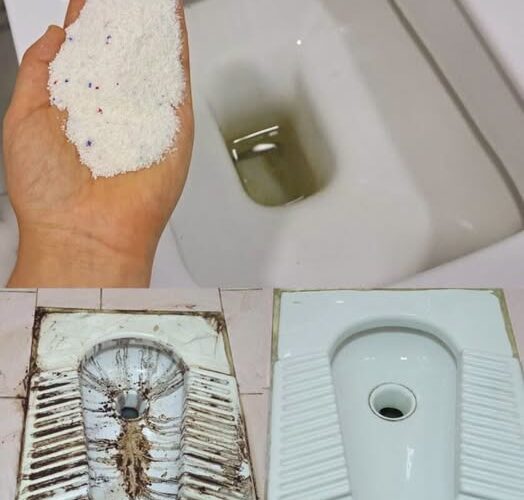
That clickbait video style hook usually leads to one of two reliable, non-toxic household cleaning methods.
Method 1: The Baking Soda & White Vinegar Fizz
This is the most common chemical-free standard for general maintenance, stain removal, and light mineral buildup.
- Baking Soda (1 cup): Acts as a mild abrasive to scrub away grime without scratching the ceramic glaze.
- White Vinegar (1 to 2 cups): The acetic acid breaks down hard water minerals, soap scum, and limescale while naturally neutralizing odors.
How to use it:
- Pour 1 cup of baking soda into the bowl, ensuring it covers the sides.
- Pour 1 cup of white vinegar directly over the baking soda and let the fizzing reaction work for 10–15 minutes.
- Scrub thoroughly with a toilet brush, focusing under the rim, and flush.
Method 2: Citric Acid Power Soak
If the video was showing hard water ring removal or stubborn brown/yellow scale at the bottom of the bowl, citric acid is the true secret weapon.
- Citric Acid Powder (½ cup): Derived from citrus fruits, it reacts far more aggressively with calcium deposits and limescale than vinegar, leaving the porcelain bright white without abrasive scrubbing.
How to use it:
- Pour ½ cup of citric acid powder directly into the water at the bottom of the toilet bowl.
- Let it sit undisturbed for at least 1 hour (or overnight for severe mineral buildup).
- Lightly brush the softened minerals away and flush.
Tip: Avoid using pumice stones or harsh metal scouring pads. While they clear scale quickly, they create micro-scratches in the ceramic glaze that cause future stains and dirt to stick much faster.