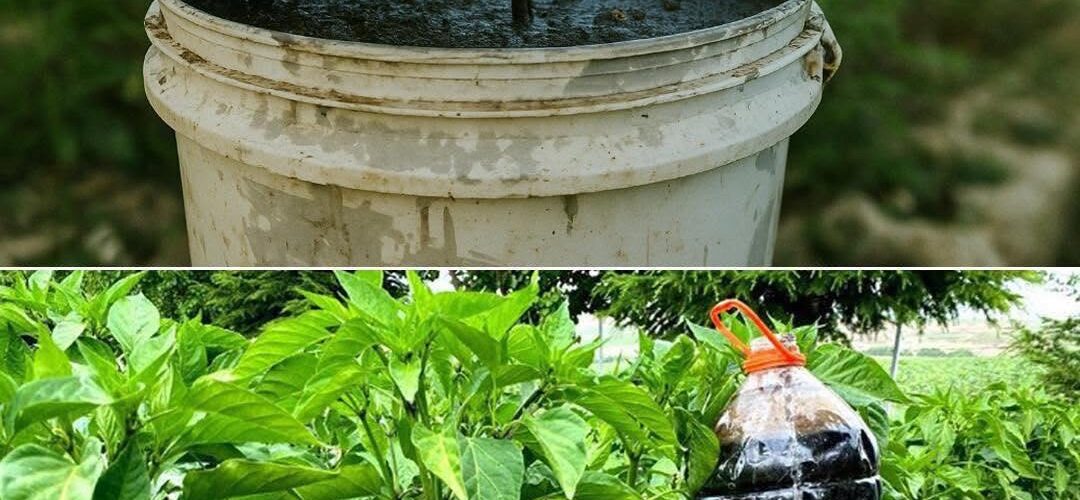
Here is a comprehensive guide to a 2-in-1 organic system that will provide your pepper, tomato and cucumber plants with maximum nutrients while also effectively repelling pests such as aphids and mites.
The most powerful organic fertilizer and insecticide for tomatoes, peppers and cucumbers
Anyone who wants to harvest a rich harvest of crispy cucumbers, juicy tomatoes and aromatic peppers in the summer often faces two main challenges: The plants have a huge appetite for nutrients, and at the same time pests such as aphids, mites or whiteflies are just waiting to suck the sap from the leaves.
Instead of resorting to chemical pesticides that kill beneficial insects and leave residue on your vegetables, you can rely on two of the most powerful natural forces in your garden: nettle manure (as a growth stimulant) and neem oil or mild soap (as a pest repellent).
Part 1: The Most Effective Organic Fertilizer – Nettle and Comfrey Manure
For nutrient-rich plants like tomatoes, peppers and cucumbers, there is no more effective organic fertilizer than homemade nettle and comfrey manure.
Nettle provides a huge amount of nitrogen for strong leaf and stem growth.
Comfrey (Symphytum) is rich in potassium, which stimulates fruit development and makes the flesh of cucumbers and tomatoes crispy.
Preparation and Application:
Fill a plastic barrel two-thirds full with chopped nettle and comfrey leaves.
Fill it with rainwater, cover and place in a warm place.
Stir the mixture daily. After about 10 to 14 days, the fermentation is complete (no more bubbles rise to the surface).
Important (application): The manure is highly concentrated. Dilute it 1:10 using a watering can. Water the plants with this solution once a week directly at the base of the plants (not above the leaves!).
Part 2: The most effective natural insecticide against aphids and mites
When plants are attacked by pests, growth stops and the crop collapses. Mites (especially on cucumbers in greenhouses) and aphids (on peppers and tomatoes) can be effectively controlled with two natural means:
Method A: Neem oil emulsion (systemic protection)
Neem oil (extracted from the seeds of the neem tree) contains the active ingredient azadirachtin. It stops pests from eating and breeding, but is completely harmless to bees.
Recipe: Mix 1 teaspoon of neem oil with half a teaspoon of Rimulgan (a natural emulsifier, often found in neem oil) in 1 liter of lukewarm water. Alternatively, a small splash of mild soap can also be used as an emulsifier.
Application: Pour the mixture into a spray bottle and thoroughly spray the affected plants from all sides – especially the underside of the leaves, as this is where mites and aphids hide.
Method B: Classic mild soap solution (direct relief)
If you need to act immediately and you don’t have neem oil on hand, pure potassium mild soap (without fragrances or additives) will help. It clogs the aphids’ respiratory system.
Recipe: Dissolve 20 to 30 grams of liquid mild soap in 1 liter of warm water.
Application: Spray the plants until they are wet after they have cooled down. Repeat every 2 to 3 days for heavy infestations.
Golden rules for summer application
Never spray in direct sunlight: Only apply insecticides (including organic ones) in the early morning or late evening. Otherwise, the water droplets act like dandruff and burn the leaves. In addition, the product evaporates too quickly before it takes effect.
Treat cucumbers separately: Cucumber leaves are extremely sensitive. Always test a mixture of mild soap or neem oil on a single leaf before spraying the entire plant to ensure compatibility.
With this combination of powerful organic fertilization through the roots and gentle but effective leaf protection, your tomatoes, peppers and cucumbers will remain healthy and productive until autumn.