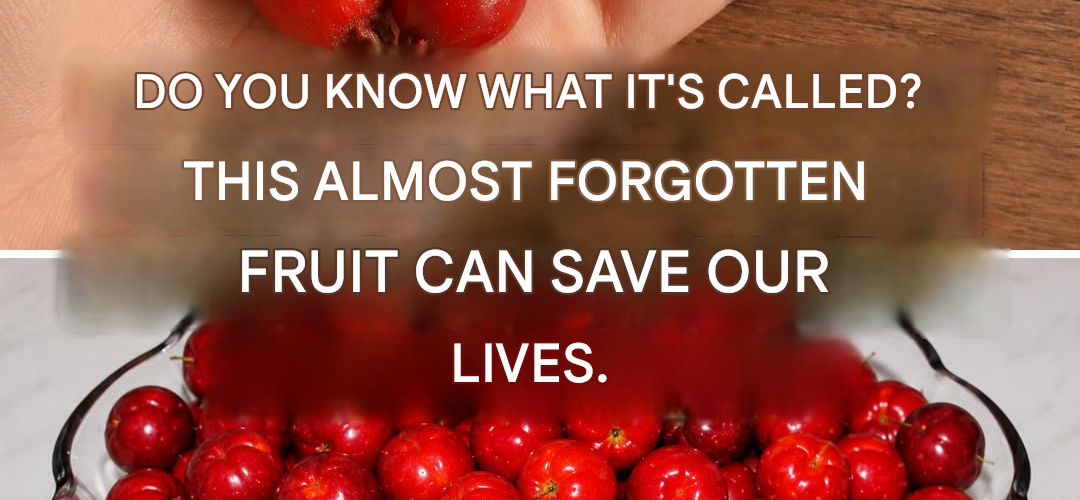
Azarole (Crataegus azarolus), also known in Slovakia as Mediterranean hawthorn or sometimes popularly as “Mediterranean medlar”, is a truly fascinating, but almost forgotten fruit in our parts. It comes from the Mediterranean and the Middle East and although it is a close relative of our classic common hawthorn, it differs from it mainly in the size and taste of the fruits.
This deciduous shrub or smaller tree bears yellow, orange to reddish malvices, which resemble miniature apples. They have a pleasant, sweet and sour taste (distantly reminiscent of apples or rhubarb) and, unlike wild hawthorn, they are fleshier and suitable for direct consumption, as well as for making jams and jellies.
Concentrate of medicinal properties
Azarole has earned the title of “concentrate of health” thanks to its exceptional biochemical composition. Its main medical and health benefits include:
- Elixir for the cardiovascular system
Like our domestic hawthorn, azarole is also known as the “guardian of the heart”.
It contains a high concentration of flavonoids and oligomeric proanthocyanidins (OPC).
It helps regulate blood pressure (has a beneficial effect on hypertension).
It improves blood flow inside the coronary arteries and strengthens the heart muscle.
It is often used in folk medicine for mild forms of cardiac arrhythmia or for feelings of “heart palpitations” associated with stress.
- A powerful antioxidant shield
The fruits are literally pumped with vitamin C and other antioxidants.
They fight free radicals and protect cells from oxidative stress.
They slow down the aging process of the body and support the natural defenses (immunity), especially in the transitional seasons.
- Calming the nervous system
Azarole has natural sedative (calming) effects.
Helps relieve symptoms of anxiety, nervousness and mental tension.
Improves sleep quality without causing a feeling of drowsiness or addiction in the morning.
- Supports digestion and metabolism
The fruits contain organic acids and a high amount of pectin (soluble fiber).
Pectin acts as a prebiotic, cleanses the intestines and helps regulate the level of “bad” LDL cholesterol in the blood.
Traditionally, the fruits were also used to tone the stomach and improve slow digestion.
Interesting fact: Beware of confusion with Acerola
There is a very common mistake in texts and on the Internet – people confuse azarole with acerola (Malpighia emarginata, Barbados cherry).
What is the difference between them?
Azarole is a Mediterranean, frost-resistant hawthorn (Crataegus), which you can easily grow in warmer areas in our country.
Acerola is a purely tropical plant from South America, known as the absolute record holder in vitamin C content.
Historically, botanists even named tropical acerola after the European azarole, because its fruits visually reminded them of this old Mediterranean fruit.
How to use azarole?
If you come across this tree in an arboretum, a specialized nursery or in southern Europe, you can:
Eat fresh – straight from the tree, when fully ripe and soft.
Process into jams and jellies – thanks to the high pectin content, they are excellently thick even without the addition of artificial gelling agents.
Dry – the fruits (but also the leaves and flowers, which have the same healing effects on the heart and nerves) are dried to prepare medicinal teas and decoctions.
Are you interested in this hawthorn as a possible addition to the garden, or are you looking for information about its medicinal forms, for example in the form of tinctures?