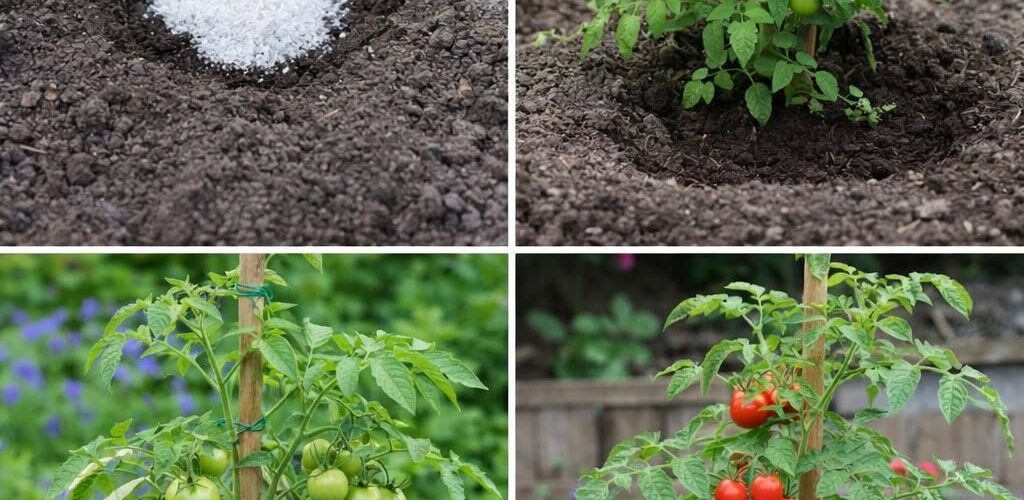
Here’s a suggestion for a blog post or a long-form social media post, structured to be engaging, informative, and easy to read (perfect for piquing the interest of gardening enthusiasts).
“Feed it to your cucumbers, tomatoes, and peppers and watch them produce a plethora of fruit!”
Everyone who grows a garden, whether small or large, shares the same dream: to harvest juicy tomatoes, plump peppers, and crunchy cucumbers in abundance. Often, however, despite regular watering and exposure to the sun, the plants seem to stop halfway.
The secret to unlocking their potential? The right nutrition. There’s a “special ingredient” (often free and completely natural) that can radically transform your harvest. Let’s discover together how to feed the kings of the summer garden for record production.
Why are tomatoes, peppers, and cucumbers so hungry?
These three vegetables belong to demanding botanical families (Solanaceae and Cucurbitaceae). To develop strong root systems, flower abundantly, and, above all, turn those flowers into fruit, they require a constant flow of three key elements:
Nitrogen (N): For the growth of green leaves and sturdy stems (essential in the early stages).
Phosphorus (P): The fuel for strong roots and flower development.
Potassium (K): The real secret to fruit size, color, and sweetness.
The Ideal “Menu”: What to Feed Your Plants
If you want to avoid chemical fertilizers and focus on organic and sustainable cultivation, here are the best options you can prepare at home:
- Compost or Mature Manure (The Main Dish)
The undisputed king of organic nutrition. Amending the soil with well-rotted compost releases nutrients slowly and steadily, also improving soil structure. - Nettle Macerate (The Super-Activator)
Very rich in nitrogen, iron, and minerals.
How to make it: Soak 1 kg of fresh nettles in 10 liters of water for about 1-2 weeks. Strain the liquid, dilute one part macerate to 10 parts water, and water the base of the plants.
- Wood Ash (For sweet, large fruits)
Wood ash is a goldmine of potassium and calcium. It’s ideal when tomatoes and peppers begin to flower.
Note: Use sparingly (a handful around the base of the plant) to avoid overly altering the soil pH.
- Coffee Grounds and Eggshells (The Perfect Recycling)
Coffee grounds provide a slight nitrogen boost and slightly acidify the soil (very welcome for tomatoes). Powdered eggshells, on the other hand, release calcium, the key element for preventing the infamous “blossom-end rot” (black bottom) of tomatoes.
How and When to Feed Plants: The Timetable
To truly see an explosion of fruit, timing is everything:
Growth Stage What to Feed Frequency
Transplanting / First Months Rich compost and nettle macerate Initially and then every 15 days
Flowering Fertilizers rich in phosphorus and calcium (eggshells) When the first flowers appear
Fruit Set and Ripening Wood ash or macerate of a suitable material (rich in potassium) Every 2 weeks until harvest
The 3 Mistakes to Absolutely Avoid
Overdoing the Nitrogen in Summer: If you apply too much nitrogen when the plant is ready to fruit, you’ll end up with a gigantic plant, full of green leaves, but with very few tomatoes or peppers.
Dry Fertilizing: Always water the soil before applying any type of fertilizer (even liquid) to avoid burning the roots.
Don’t worry about watering: “Food” needs water to be absorbed. Consistent watering (without stagnation) allows the plant to absorb nutrients evenly.
Put these tips into practice, “feed” your plants properly, and prepare for baskets overflowing with healthy, flavorful, and organic cucumbers, tomatoes, and peppers! Happy gardening!