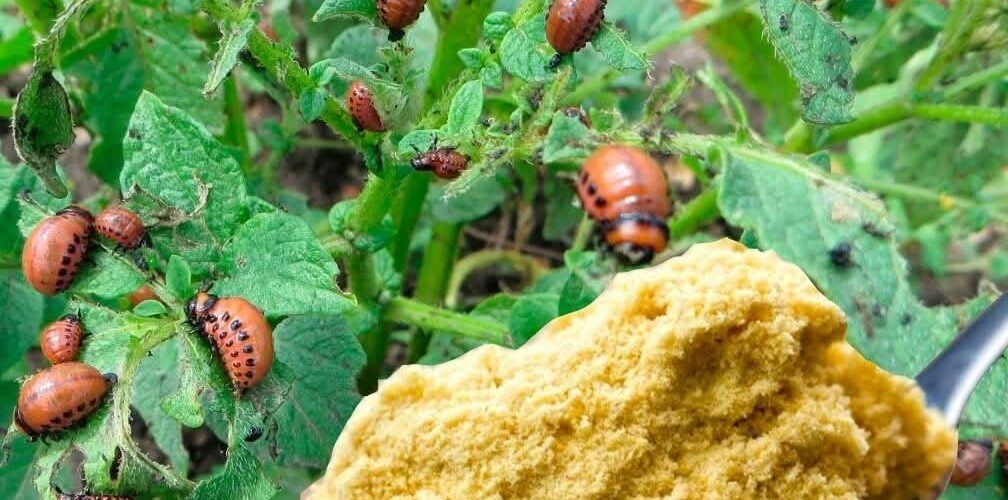
The Colorado potato beetle (Leptinotarsa decemlineata) is the bane of many home gardeners. Once the striped beetles and their voracious, reddish larvae begin to devour the potato foliage, there’s often not much left of the harvest.
Fortunately, you don’t have to resort to chemical pesticides. There are excellent, purely organic ways to protect your potatoes. Here are 5 proven methods to keep your garden poison-free:
- Handpicking: The Most Effective Immediate Measure
It sounds tedious, but it’s the most reliable method, especially for smaller beds.
How it works: Check your potato plants regularly from spring onwards (ideally in the morning, when the beetles are still sluggish). Collect the adult beetles and larvae.
Important: Be sure to check the undersides of the leaves! That’s where the conspicuous, orange-yellow egg cases are attached. Crush them directly on the leaf to prevent the offspring from hatching in the first place.
- Natural Sprays: Neem Oil and Horseradish Broth
Mother Nature has a few highly effective deterrents that thoroughly spoil the beetles’ appetite.
Neem oil: A real insider tip. If you spray the plants with a diluted neem oil-water mixture, the larvae ingest the active ingredient while feeding. It stops their development and prevents them from reproducing. It is completely harmless to bees.
Horseradish Broth: Colorado potato beetles hate the pungent smell of horseradish. You can make a decoction from the leaves and roots and spray the potato plants with it regularly.
- Companion Planting and the Right Neighbors
Beetles rely heavily on smell. If you break up the monoculture, they will find your potatoes much harder to locate.
Good Neighbors: Plant horseradish, caraway, coriander, or peppermint in the immediate vicinity of or directly between the potato rows.
Flower Barrier: The scents of marigolds and phacelia are also extremely repellent to Colorado potato beetles.
- Rock Dust: The Dusty Shield
Fine rock dust is a great, purely mechanical defense that makes life difficult for the beetles.
How it works: Dust the damp potato leaves (e.g., in the morning when there is still dew on them) with a thin layer of rock dust.
The effect: The beetles and larvae lose their appetite because the dust dulls their mouthparts and makes the leaves inedible. In addition, the dust strengthens the plant with important minerals.
- Prevention through Fruit Transformation and Protective Nets
The best battle against the beetle is the one you don’t have to fight in the first place.
Crop rotation is essential: Never plant potatoes (and other nightshade plants like tomatoes) in the same spot two years in a row. The beetles overwinter in the soil and simply crawl upwards in spring. If peas or lettuce are suddenly growing there, they starve or have to laboriously migrate elsewhere.
Use fine-mesh insect netting: Covering the beds with a fine net immediately after planting prevents beetles that have flown in from laying their eggs on the leaves.
Additional tip for nature lovers: Encourage beneficial insects in your garden! Ground beetles, toads, ladybugs, and birds love to eat the eggs and small larvae of the Colorado potato beetle. A natural garden with wild corners is extremely helpful in this regard.