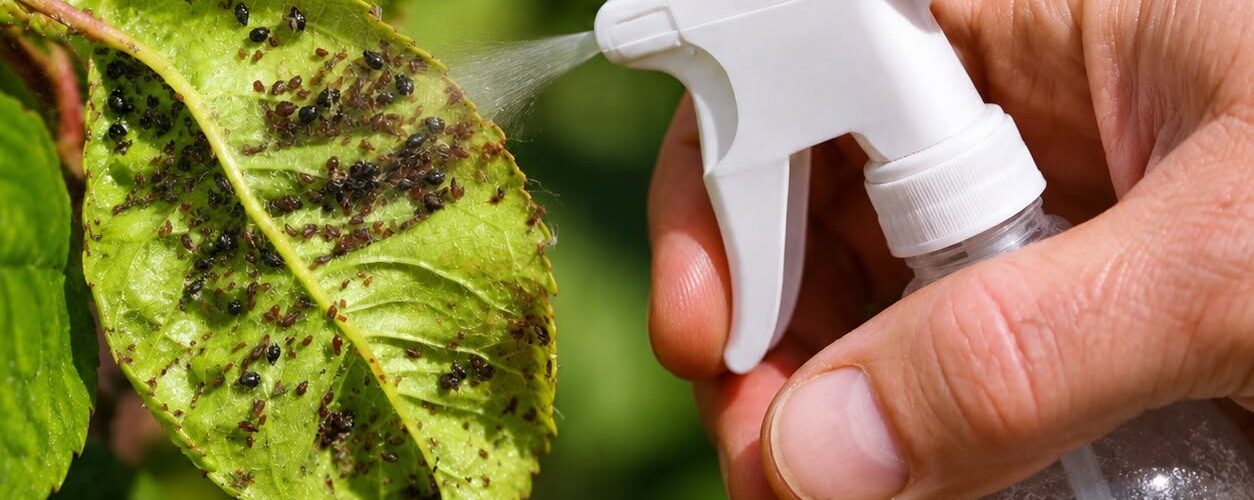
Aphids (the very common “mollusks” or “plant lice”) are among the most annoying garden pests, but fortunately, they are also among the easiest to eliminate in an environmentally friendly way. A solution based on soft potassium soap (or traditional pure Marseille soap) is one of the most effective natural remedies: it acts upon contact, obstructing the insects’ respiratory tract and dissolving their protective outer cuticle.
Here’s how to prepare and use it correctly to protect your plants without damaging them.
The DIY Recipe
To avoid burning the plant’s leaves, it’s essential to follow the dosage guidelines. Too high a concentration of soap can be aggressive.
Ingredient Quantity Notes
Water 1 liter. Warm (it helps dissolve the soap) or rainwater is best.
Marseille or Potassium Soap 15-20 grams. It must be 100% pure, free from fragrances, colorants, or synthetic additives. If using liquid soap, use about 1-2 tablespoons.
The Procedure
The preparation requires very few steps, but the order and mixing are important to obtain a homogeneous emulsion.
- Grate the soap: If solid.
If using a solid bar of Marseille soap, reduce it to very fine flakes with a grater. The smaller they are, the faster they will dissolve.
- Dissolve in water: Use warm water.
Pour the soap into the warm water and stir gently until it has completely dissolved. Try not to shake too much to avoid creating too much foam at this stage.
- Cool and transfer: Ready to use.
Let the mixture cool completely to room temperature, then pour it into a clean sprayer or mister.
How and When to Apply (The Golden Rules)
Proper application makes all the difference between saving the plant and risking damage.
Spray during the cool hours: Always spray at dusk or early in the morning. If you spray the solution in direct sunlight, the droplets will create a “lens effect,” literally burning the leaves.
Wet under the leaves thoroughly: Aphids tend to hide on the undersides of leaves and on tender shoots. Be generous and target the pests directly (remember that soap only works through direct contact).
Do a preliminary test: Some plants with very delicate leaves (such as ferns or some succulents) may not respond well to the treatment. Spray the mixture on a single leaf and wait 24 hours to check for any adverse reactions.
Frequency: Repeat the treatment every 3-4 days until the aphids are completely gone. 2 or 3 applications are usually sufficient.
💡 An additional tip: If the infestation is severe, you can add a teaspoon of Neem oil or a tablespoon of denatured alcohol to the mixture. The alcohol helps dissolve the honeydew (the sticky substance produced by aphids that attracts ants) and enhances the insecticidal effect.