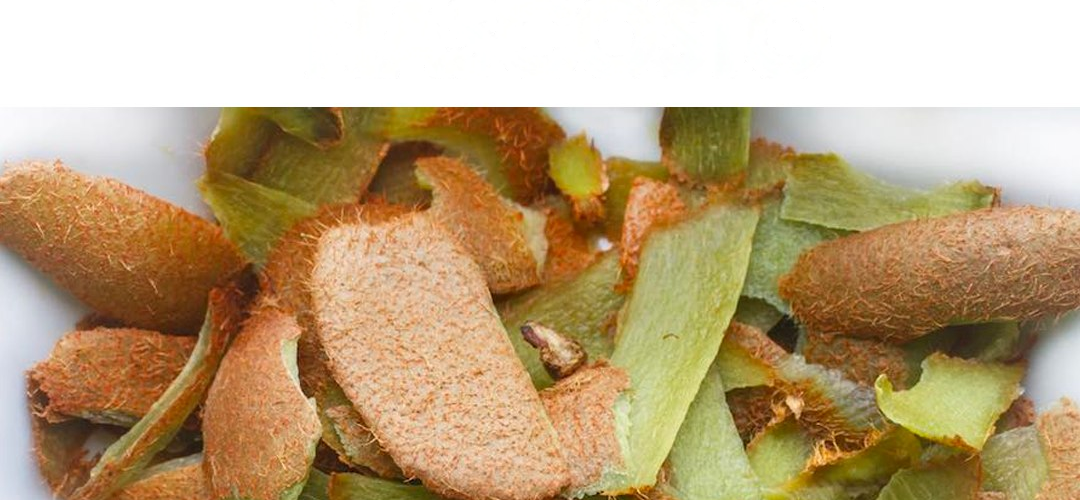
It might seem strange at first glance—after all, the fuzzy texture of kiwis isn’t the most inviting—but doctors and nutritionists are absolutely right. Kiwi peels are not only edible, but they’re literally packed with nutrients that we often throw straight in the trash.
If you overcome your initial reluctance, your body will thank you. Here’s why kiwi peels are a true goldmine for your health:
A huge dose of fiber
The peel significantly increases the fiber content of this fruit, up to 50% compared to consuming the pulp alone. Fiber is essential for:
Proper intestinal function and the prevention of constipation.
Feeding the beneficial bacteria in the microbiota (acting as prebiotics).
Increasing the feeling of satiety and stabilizing blood sugar levels.
Concentrated Antioxidants
The peel contains a much higher concentration of antioxidants than the pulp itself. It is particularly rich in vitamin E and vitamin C. These substances fight free radicals, protect cells from oxidative stress, and significantly support the immune system and skin health.
Source of Folate (Vitamin B9)
The peel contains a significant amount of folate, which is important for the formation of red blood cells and proper cell function, and is especially important for pregnant women.
How to eat it without getting hairy?
If you want to try the peel, you don’t have to immediately bite into the whole kiwi like you would an apple. Here are some tips:
Wash thoroughly: this is the most important step. Scrub the kiwi well under running water. You can use a clean vegetable brush or the rough side of a clean sponge, which will remove most of the hairs.
Blend into a smoothie: the easiest way to get started. Place a whole kiwi (with the peel) in a powerful blender along with a banana, spinach, and water. You won’t recognize the texture of the peel at all in a smoothie.
Opt for the yellow kiwi (Zespri SunGold): if you really can’t stand the hairs on the classic green kiwi, try the yellow one. Its peel is much smoother, thinner, and more pleasant to eat.
Important note: Since the skin of the fruit is also eaten, it’s best to buy organic kiwis to minimize pesticide residue. Also be careful if you’re prone to kidney stones: the peel contains a higher amount of oxalates.
Have you ever tried eating a whole kiwi, or does the idea of having a hairy peel in your mouth still seem unthinkable?