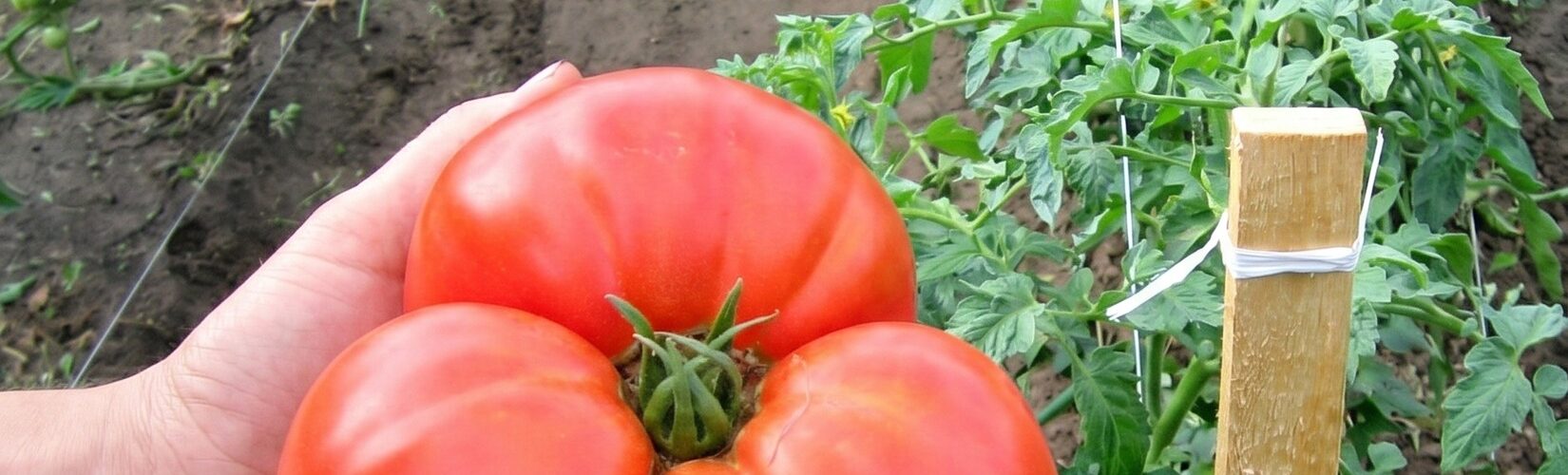
Growing juicy, large, and deliciously sweet tomatoes isn’t rocket science, but it does require the right approach. If you give them what they truly need, they’ll reward you with a harvest that’s incomparable to the rubbery fruit from the supermarket.
Here are 6 golden rules for a top-notch harvest:
Sun as the most important factor for sweetness
Tomatoes love the sun. Without it, they simply won’t be sweet. The leaves need sunlight for photosynthesis, the process by which they produce sugar.
Rule: Give them a spot with at least 6 to 8 hours of direct sunlight per day.
Water correctly (at the roots, not the leaves)
Irregular watering causes the fruit to split, while a lack of water causes them to dry out. It’s also important to keep the leaves dry to prevent mold.
Rule: Water generously but infrequently, ideally early in the morning directly at the roots. The soil should dry slightly between waterings, but never become rock hard.
Plant deeply for a strong root system
Tomatoes have a special characteristic: they can form roots anywhere along the stem hidden in the soil. The larger and deeper the plant’s root system, the more nutrients and water it can absorb.
Rule: When planting, place the seedling deep in the soil, ideally up to the first true leaves (you can remove the lower leaves).
Regular pruning (for vine tomatoes)
If you allow a tomato plant to grow unchecked, it invests all its energy in growing leaves and new shoots (so-called “wolf” stems) instead of putting it into fruit production and ripening.
Rule: Regularly remove the side shoots in the leaf axils. Keep the plant confined to one, or at most two, main stems. At the end of summer, pinch off the growing tips so that the last-planted tomatoes can ripen.
Nutritional Supply with a Focus on Potassium and Phosphorus
Tomatoes are nutrient-demanding plants. While they need nitrogen for foliage at the beginning of their growth, this ratio reverses when it comes to flowering and fruit development.
Rule: For a sweet flavor and large fruit, use potassium-rich fertilizers (e.g., wood ash or special tomato fertilizers). Don’t forget calcium, which protects the fruit from black rot.
Mulching for a Stable Microclimate
The soil under tomatoes should never be left bare. The sun dries it out, and rain can cause fungal spores to be reflected off it onto the lower leaves.
Rule: Cover the area around the stem with a layer of mulch (grass clippings, straw). Mulch keeps the soil moist, prevents the roots from overheating, and significantly reduces weed growth.
Finally, the flavor of tomatoes also depends on the harvest time. Let them ripen fully on the vine – the last few days in the sun ensure the highest sugar content. Never put them in the refrigerator after harvesting, as the cold will reliably destroy their aroma and sweetness.
What variety are you growing this year, and how are your tomatoes doing right now?