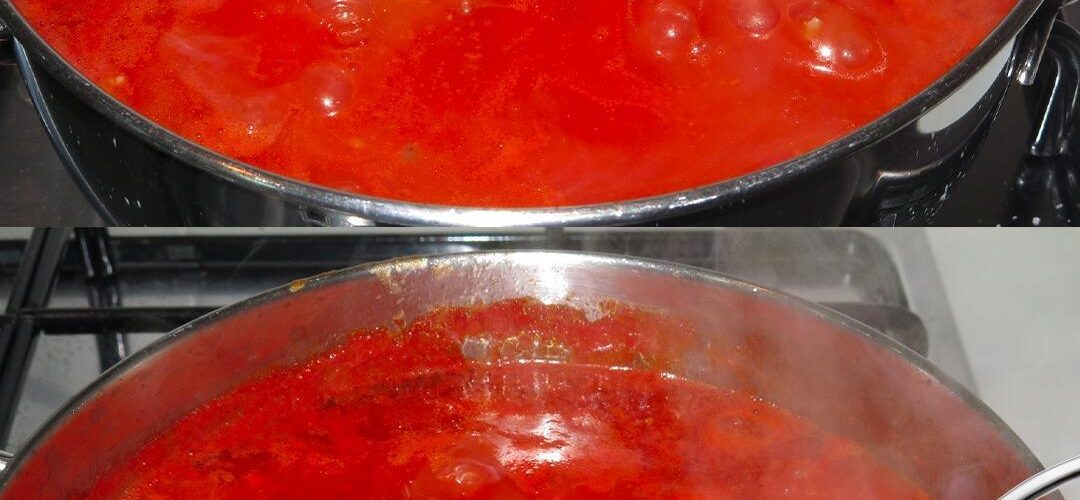
This headline sounds like it came straight from a provocative food magazine. In the culinary world, there’s no “yes” or “no”—it’s all about the perfect balance of flavors.
Let’s look at why some chefs strictly avoid sugar and what secrets they use to create the perfect sugar-free sauce.
Why is sugar added (too much)?
Most people add sugar to mask the acidity of low-quality or unripe tomatoes (often canned and out of season). While sugar does reduce acidity, if you overdo it, the sauce loses its natural, earthy character and tastes like ketchup.
Kitchen Secrets: Sugar-Free Cooking
If you want to cook like a pro and highlight the natural flavors of your ingredients, try these techniques:
Soffritto: The base consists of finely chopped carrots, onions, and celery. Carrots and onions contain natural sugars that are released during slow cooking, naturally sweetening the sauce.
Cooking time: The longer the sauce simmers, the more concentrated the flavor and natural sweetness of the tomatoes become. Professional ragùs cook for several hours.
Pinch of baking soda: If the sauce is too acidic, a pinch of baking soda (on the tip of a knife) neutralizes the pH (acidity) without altering the flavor.
Quality of ingredients: San Marzano tomatoes (with fewer seeds and naturally sweeter flesh) eliminate the need for additional sweeteners.
When is sugar allowed?
In Italian cuisine, there is the tradition of “pizzico di zucchero” (a pinch of sugar). However, sugar is used here only as a flavor enhancer, similar to salt. It should not be perceived as a sweet ingredient in a sauce, but rather serve to highlight other flavors.
Conclusion: Chefs do not add sugar to sweeten the sauce, but to balance it. With high-quality ingredients and the right technique for sautéing vegetables, you can easily do without sugar.
What’s your take? Do you prefer the pure tomato flavor, or do you consider a pinch of sugar indispensable in the kitchen?