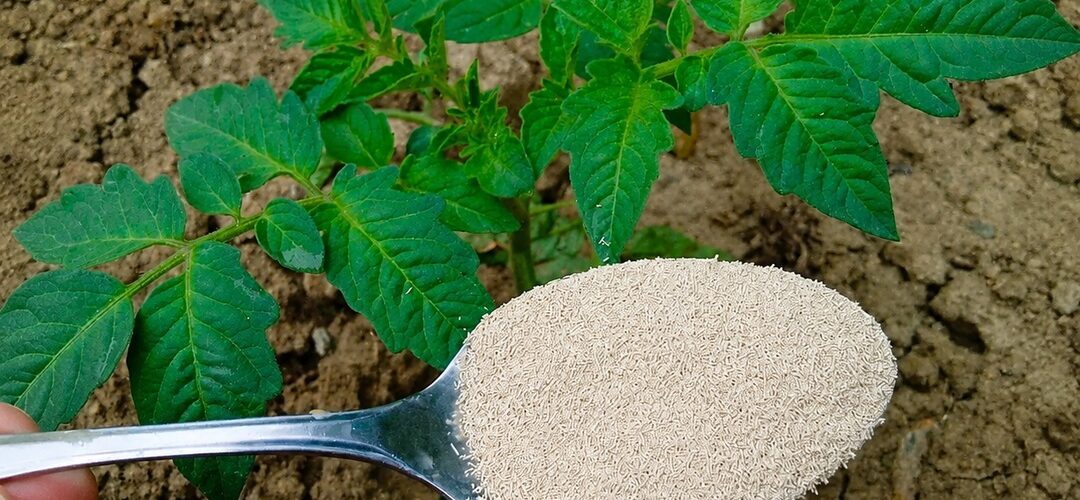
This is exactly the right boost at the right time! Anyone who wants an epic harvest of tomatoes, peppers, and cucumbers this summer needs to act now. These three heavy feeders are currently starving, but they differ in their needs.
Here’s your immediate game plan for the ultimate growth spurt:
- For Tomatoes & Peppers: The Potassium and Calcium Boost
Tomatoes and peppers belong to the same family (nightshade family). They need less nitrogen now (otherwise only leaves will grow, but no fruit) and instead plenty of potassium for fructose and flavor, as well as calcium to combat the dreaded blossom-end rot (black spots on the fruit).
The insider tip: Comfrey manure or tomato fertilizer
Comfrey manure: Extremely rich in potassium. Dilute it 1:10 with water and water the plants with it.
Organic tomato fertilizer (store-bought): Sheep wool pellets or vinasse (molasses-based) work wonders.
The calcium hack: Work a handful of rock dust or finely ground eggshells shallowly into the soil.
- For cucumbers: The nitrogen and moisture boost
Cucumbers are the ultimate feeders in the garden. Since they develop huge leaves and fruits in record time, consisting almost entirely of water, they need a different diet than tomatoes. They love nitrogen and humus.
The insider tip: Nettle manure & compost
Nettle manure: The perfect nitrogen source. Dilute it 1:10 and pour it directly onto the roots (not over the leaves!).
Coffee grounds: Perfect for cucumbers! They provide nitrogen, a slightly acidic pH, and attract earthworms. Simply rake them in shallowly on the surface.
Important: Never water cucumbers with ice-cold tap water, otherwise they will suffer shock and the cucumbers will become bitter. Use stale, sun-warmed rainwater.
- The Immediate Checklist for NOW
⚠️ The golden rules of fertilizing:
Never fertilize dry soil! Water the plants beforehand with clean water, otherwise the fertilizer salts can burn the sensitive roots.
Fertilize only in the morning or evening: Never fertilize in the midday sun.
Don’t forget to mulch: After fertilizing, place a layer of grass clippings or straw around the plants. This retains moisture in the soil and activates soil life, allowing the fertilizer to be absorbed more quickly.
Have your plants already developed their first blossoms or fruits, or are they still just growing taller?