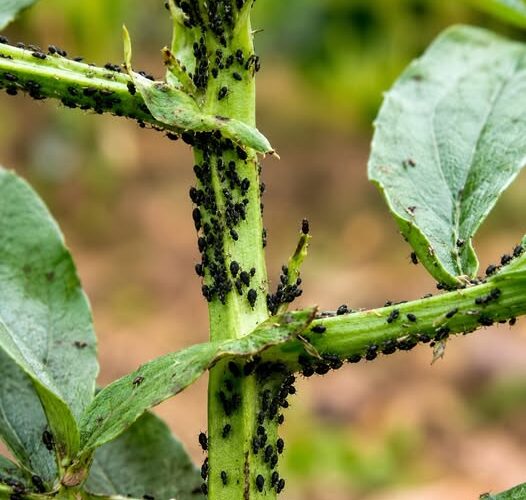
The clickbait gods have really outdone themselves again! Aphids, mites and slime molds with one miracle cure that works “instantly”? That sounds like the holy grail for the garden.
Behind such sensational headlines is usually a very simple home remedy that is actually often used in the garden. In 90% of cases, this “secret tip” involves one of the following three remedies:
Baking soda or baking powder mixture (Most likely candidate)
How it works: A teaspoon of baking soda or baking powder mixed with a little water and a drop of cooking oil or liquid soap.
Reality: Baking soda changes the pH value on the surface of the leaf. This makes it harder for fungi (like powdery mildew) to spread. Along with the oil/soap, sap-sucking insects like aphids and mites will also be suffocated.
The slime mold bug: Slime molds (which often look like yellow foam on the lawn or bark) are completely harmless to plants. They feed only on bacteria and decaying material. They usually go away on their own when they dry out—the “miracle cure” is often simply timing.
Mild soap or dish soap solution
How it works: Pure potassium soap (mild soap) diluted with water and sprayed on the plants.
Reality: Soap clogs the airways (trachea) of aphids and mites, causing them to die. The results are actually visible fairly quickly.
The catch: Too much dish soap or the wrong type of soap destroys the protective waxy coating on the leaves. The plant then suffers an unpleasant sunburn. 3. Neem oil
How it works: A natural oil extracted from the seeds of the neem tree.
Reality: Contains the active ingredient azadirachtin, which disrupts the development and egg laying of pests (aphids, mites, caterpillars).
The catch: It doesn’t work immediately. It blocks the crawling of insects, which means that the effect only becomes apparent after a few days. It’s also ineffective against slime molds.
Why you should be careful with “panaceas” in the garden
Although these products are organic or “natural”, they are not harmless magic potions:
Beneficial insects suffer too: A soap or oil mixture doesn’t distinguish between a harmful aphid and a beneficial mealybug or ladybug larva. If you spray everything, you’ll also kill the pests’ natural enemies.
Risk of leaf damage: Oils and soaps can act like scum in the sun and damage the leaves of your plants.
Conclusion: There is no biological agent that will indiscriminately kill everything for an entire season without causing damage. The best “medicine” remains the natural garden, where ladybugs, birds and parasitic wasps destroy aphids and mites completely free of charge and without the need for chemicals.
Do you have a specific problem with pests on your plants, or were you just trying to solve the mystery behind this headline?