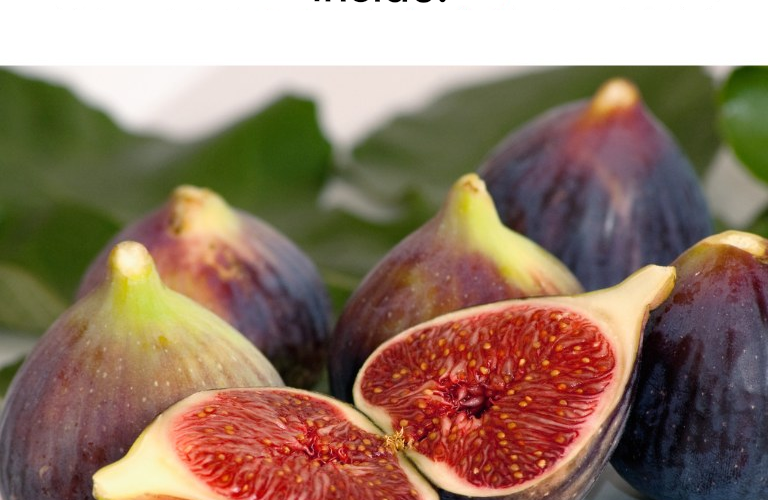
This sounds like a classic internet “clickbait” that tries to scare people with some shocking revelation. If you’re bumping into that familiar information about wasps inside figs, let me reassure you – it’s a fascinating piece of nature, but it’s not as horror-inducing as it seems at first glance.
Here’s what you should know about figs before you bite into them:
- The Wasp Story: True or Myth?
It’s true that figs and tiny wasps (called figarki) have a fascinating relationship (symbiosis) with each other.
How it works: A fig is not technically a fruit, but a closed flower. In order to pollinate itself, the wasp has to crawl inside through a small opening. There, it lays its eggs and dies.
Where’s the catch? Figs produce a special enzyme called ficin, which completely breaks down the wasp’s body into protein. When you eat a fig, you’re not eating a dead wasp – those parts have long since been transformed into part of the fruit.
Good news: Most figs you buy in our stores are so-called parthenocarpic varieties. This means that they have been bred to ripen without pollination by wasps. So the ones in the “supermarket” have probably never been pollinated by wasps.
- Beware of “fig milk”
If you pick fresh figs straight from the tree, beware of the white sticky juice that flows from the stem (latex).
It contains substances that can cause unpleasant burns or blisters (phototoxicity) when in contact with the skin and subsequent exposure to the sun.
If this juice gets on your hands, wash them immediately.
- Are figs vegan?
This is a big topic in the vegan community because of the aforementioned issues.
Some strict vegans don’t eat figs because they consider them a product that an animal “suffered.”
However, most people (including vegans) see this as a natural biological process, without which figs wouldn’t exist.
- Health “surprises”
Figs are great, but they also have their strengths that you should know about:
Natural laxative: They have an extremely high fiber content. If you eat too many of them at once (especially dried ones), your digestion will feel it very quickly.
High sugar content: Dried figs are a calorie bomb. They have around 50-60% sugar, so they are in the “be careful” category for diabetics.
Summary
Figs are one of the healthiest and oldest fruits in the world. They are full of potassium, magnesium, and calcium. You don’t have to worry about finding pieces of insects in them – nature has it all figured out so that it recycles everything down to the last atom.
Do you have fresh figs at home and are you looking for a recipe for what to do with them, or were you just about to throw them away because of those wasp rumors?