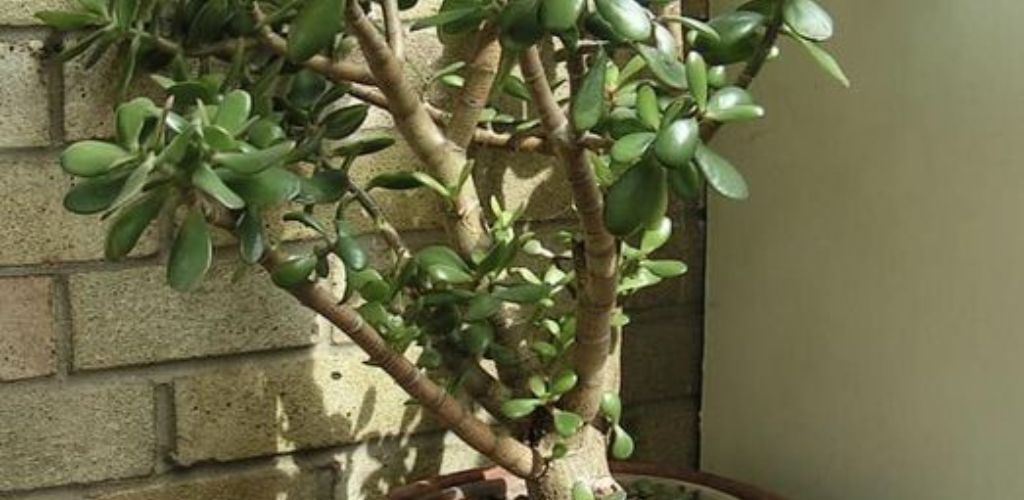
When you talk about a plant that many have on their windowsill without suspecting that it is a real “living pharmacy”, you probably mean Aloe Vera or the legendary Sansevieria (Grandmother’s tongue). Both are treasures for different reasons, but incredibly rare.
Here’s why these plants are much more than just decoration:
🌿 1. Aloe Vera: “First aid” in a pot
Since the time of the ancient Egyptians, it has been called the plant of immortality. If you have it, you have:
Instant healing gel: By cutting off a leaf, the fresh gel is the best natural remedy for minor burns (including sunburn), insect bites or abrasions.
Air purifier: Absorbs harmful chemicals such as formaldehyde and benzene found in detergents.
Health indicator: If brown spots appear on the leaves, it is a warning that the air in your home is excessively polluted.
🐍 2. Sansevieria: “Night lungs”
If your treasure is a Sansevieria, you have an unbeatable ally for the bedroom:
Produces oxygen at night: Unlike most plants, Sansevieria converts carbon dioxide into oxygen at night, dramatically improving the quality of your sleep.
Filters toxins: It is one of the most effective plants at removing xylene, toluene and trichloroethylene from the home environment.
Indestructible: It thrives even in dark corners and requires very little water.
💎 Other lesser-known “treasure” plants:
Pothos: Carbon monoxide fighter.
Spider plant: One of the best at removing carbon monoxide and xylene, perfect for pet owners (it’s safe for them!).
Lavender: When kept in the bedroom, it reduces heart rate and stress before bed.
💡 How to “activate” your treasure
To ensure these plants do their best job of cleaning:
Clean the leaves: Dust blocks the plant’s “pores” and prevents it from filtering the air. Use a damp cloth (or the milk and water trick we mentioned earlier!).
Strategic placement: Place one plant for every 10 square meters to really improve air quality.
A little warning: Although they are treasures to us, many of these plants (like Pothos or Sansevieria) can be toxic if chewed by dogs or cats. If you have four-legged friends, always keep them on high shelves!
Which of these plants have you noticed in your home? If you tell me its name or describe it to me, I can explain its specific “secret power” and how to care for it so it lasts for years!