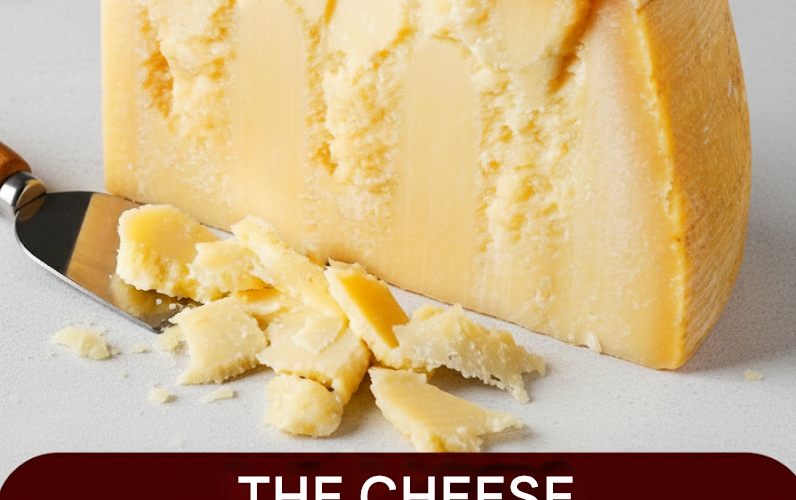
There are lactose-free cheeses out there, and there are quite a few of them. If you’re lactose intolerant, save this list 👇
That’s right! It’s a common misconception that people with lactose intolerance have to completely avoid cheese. In fact, the rule of thumb is: the longer a cheese matures, the less lactose it contains.
During maturation, the milk sugar (lactose) is converted into lactic acid by lactic acid bacteria. The result? Many of our favorite cheeses are naturally almost lactose-free.
Here’s a list of “safe bets” for cheese lovers:
🧀 Naturally lactose-free (lactose content < 0.1g)
These varieties are usually well-tolerated because the lactose content disappears during the long maturation process:
Emmental & Mountain Cheese: The classics, often matured for months.
Parmesan (Parmigiano Reggiano): Especially safe with maturation periods exceeding 24 months.
Aged Gouda: While young Gouda may still contain traces, the “aged” Gouda is safe.
Cheddar: Another long-aged cheese that is almost always lactose-free.
Appenzeller & Gruyère: Perfect for a lactose-free fondue!
⚠️ Be careful with these varieties
Fresh cheeses and short-aged varieties contain significantly more lactose:
Mozzarella & Ricotta: Choose the variety explicitly labeled “lactose-free.”
Cottage cheese: Often still contains a lot of residual sugar.
Feta: If it’s traditionally aged, it’s often low in lactose, but not always completely lactose-free.
💡 The pro’s eye on the label
You don’t always have to look for the special (and often more expensive) “lactose-free” label. Just look at the nutrition facts:
Pay attention to the “Carbohydrates – of which sugars” line. Since lactose is the only sugar in natural cheese, a value of 0.0g (or less than 0.1g) means the cheese is lactose-free!
🧪 Why do some people still have trouble with cheese?
If you’re still experiencing problems despite eating lactose-free varieties, it could be due to two other factors:
Histamine: Aged cheeses (like Parmesan) contain a lot of histamine, which can trigger symptoms similar to an intolerance.
Casein: A true milk protein allergy reacts to the protein, not the sugar.
Are you looking for a lactose-free recipe for a specific dish (e.g., pizza or casserole), or would you like to know which milk alternatives are best for cooking?