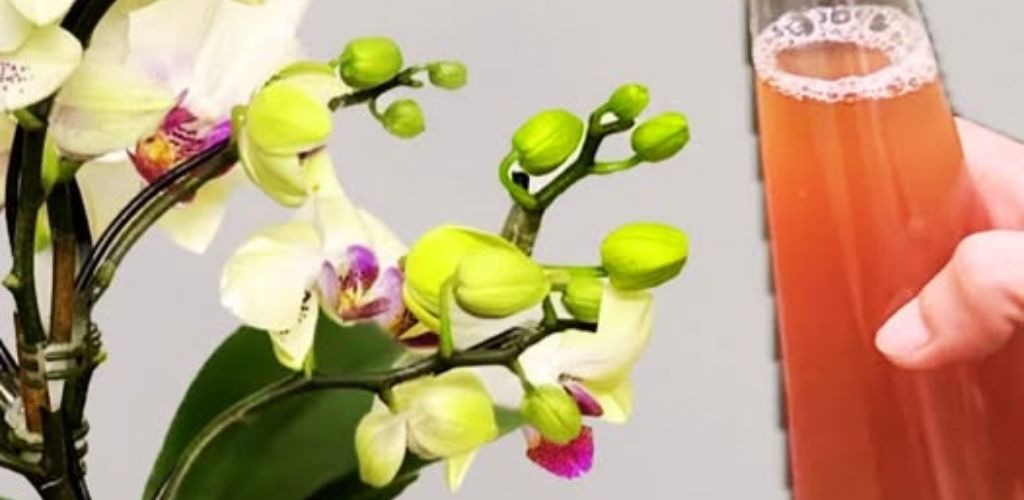
That’s a lovely thought! Although most orchid species have a natural dormancy cycle and don’t bloom continuously 365 days a year, there are species known for blooming for very long periods or several times a year, so you almost always have a flowering plant on your windowsill.
The most common orchid available commercially that gives this impression is the Phalaenopsis (moth orchid).
🌺 Phalaenopsis: The Year-Round Bloomer
The Phalaenopsis is so popular because it:
Long flower spikes: Its blooms can last for weeks or even months.
Multiple flowering: Under good conditions, it can develop new flower spikes two to three times a year, so the flowering periods often overlap.
No pronounced dormancy period: Unlike many other orchid species, it doesn’t require a strict cold period to stimulate flowering (although a mild cold stimulus often helps). How to Promote Almost Year-Round Blooms
To maximize the flowering of your orchid (especially Phalaenopsis), three main factors must be optimally adjusted:
Factor Requirement Tip for Implementation
- Light Bright, but without direct midday sun. East- or west-facing windows are ideal. Insufficient light is the most common reason for a lack of blooms. Use a south-facing windowsill only with light protection (e.g., a curtain).
- Temperature Ideal temperature 18°C – 22°C. Many species only bloom after experiencing a slight cold stimulus. In autumn, place the plant in a location with 15°C to 18°C (e.g., in the bedroom) at night for about 3–4 weeks.
- Water & Nutrients Regular soaking and fertilizing during the growing season. Avoid waterlogging! Soak the orchid once a week in room-temperature, low-lime water (rainwater is ideal). Use orchid fertilizer every 2–4 weeks. An important tip after flowering:
Once the flowers have faded, don’t cut the stem completely off while it’s still green.
Only cut it back above the second or third “eye” (the small thickening) from the bottom. Often, the orchid will sprout a new flower spike at this point.
Would you like specific care tips for another orchid species (e.g., Vanda or Cattleya) that is also known for its impressive flowering