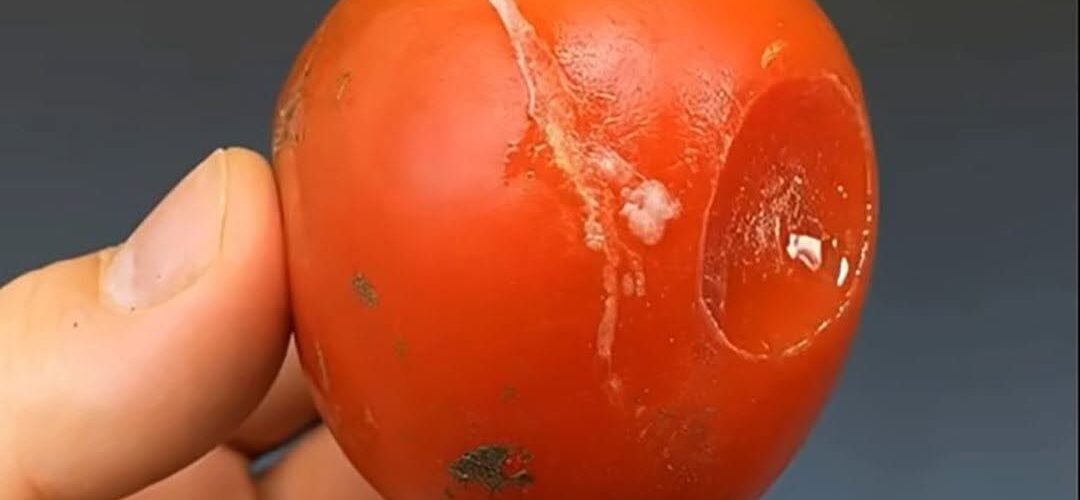
Behind this viral claim lies an old gardener’s trick: Overripe, mushy, or rotten tomatoes may no longer belong on the plate, but in gardening, they are a valuable source of nutrients and seeds.
The real benefits in the garden
Perfect for seed saving (fermentation): The decomposition process breaks down the gelatinous coating around the seeds, which prevents premature germination. This biological fermentation simultaneously kills bacterial pathogens on the seed coat and ensures extremely viable seeds.
Direct sowing for the following year: Burying overripe tomatoes in the fall often spontaneously leads to robust, self-germinating seedlings (volunteers) in the spring.
Soil & compost activator: The decomposed pulp provides valuable potassium as well as organic matter, which nourishes microorganisms and earthworms in the compost.
Application | Rating | Important Note
Seed Saving ✅ Extremely valuable. Fermentation cleans the seeds and increases the germination rate.
Composting ✅ Well suited. Use only on healthy plants (without late blight).
Consumption / Use ❌ Harmful to health. Mycotoxins permeate the entire water-rich fruit.
Important Safety Information
Never eat: Since tomatoes consist of over 90% water, mycotoxins (such as patulin or alternariol) spread invisibly throughout the entire flesh at the first sign of mold. Simply cutting away rotten parts does not make the tomato safe to eat again.
Beware of late blight: Tomatoes infected with late blight (Phytophthora infestans) must not be used for seed or buried in the garden, as the fungal spores overwinter in the soil and infect subsequent crops.