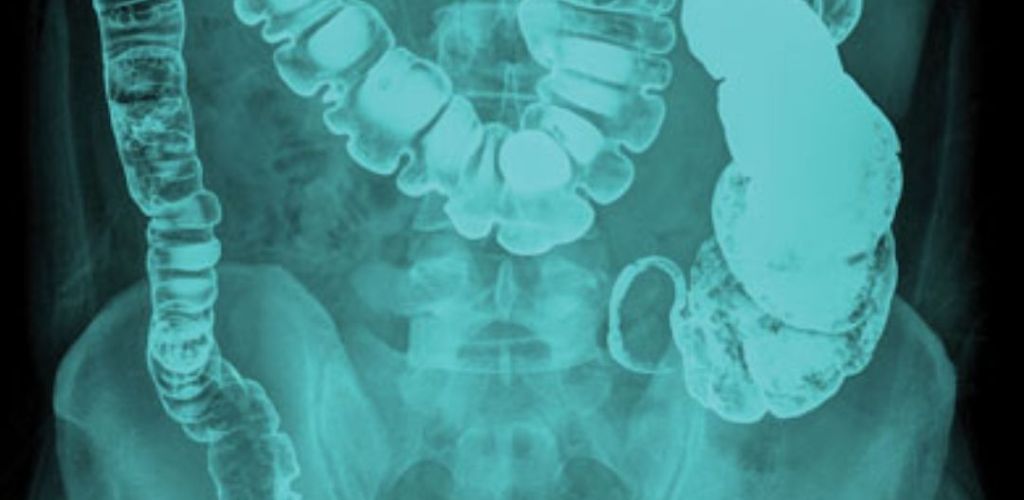
Thank you for the information about the X-ray.
Without seeing the specific X-ray image, I cannot make a specific medical diagnosis or analysis. Such images must always be evaluated in the context of the patient’s history and other examinations.
An abdominal X-ray (abdominal overview) in cases of chronic constipation typically serves to:
Assess the extent of stool retention: The X-ray shows how full the large intestine (especially the colon and rectum) is with stool and whether it is distended.
Exclude bowel obstruction (ileus): This is an emergency situation. An X-ray can provide important clues by showing air-fluid levels or significant dilation of the intestinal loops.
Assessing stool consistency: Although not directly measurable, a very dense, bulky feeling in the colon can indicate particularly hard, thickened stools.
Assessing the position and shape of the bowel: This can be relevant if anatomical problems such as colon elongation or dilation (e.g., megacolon) or bowel dysfunction are suspected.
👩⚕️ Important note on chronic constipation
Chronic constipation in young women is a common, often multifactorial problem. The causes are varied and often include:
Functional constipation: Slow colonic transit or defecation disorders (dyssynergia of the pelvic floor muscles) where no organic cause can be found.
Lifestyle: Low-fiber diet, low fluid intake, lack of exercise.
Secondary causes: Sometimes the cause lies in other illnesses (e.g., irritable bowel syndrome, hypothyroidism, diabetes mellitus) or in the use of certain medications.
The X-ray is only one part of the diagnostic process, which usually also includes a thorough medical history, physical examination, and, if necessary, further procedures such as a colonoscopy or anorectal manometry (pressure measurement in the rectum).
Since I am not a medical professional, I cannot interpret the image. However, if you are looking for general information on treatment options for chronic constipation or dietary advice, I would be happy to assist you.