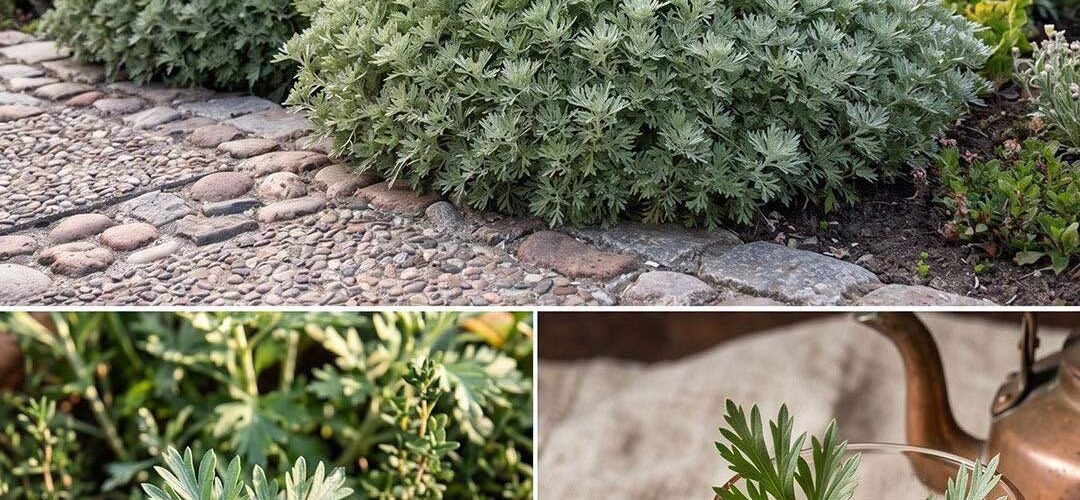
Wormwood (Artemisia absinthium) is one of the bitterest plants in the world. Its intense bitterness is the key to its medicinal properties – it has been used in folk medicine for centuries as a natural tonic for the digestive system, liver and gallbladder.
Main health benefits of wormwood
Promotes digestion and appetite
Bitter substances (absintine and anabsintine) stimulate the taste buds, which causes the reflex secretion of saliva, gastric juices and digestive enzymes.
Helps with the feeling of heaviness after eating, fullness and slow digestion.
Liver and gallbladder support
It supports the production and secretion of bile (choleretic effect), thus helping with the emulsification and digestion of fats.
Helps regenerate and relieve the liver in case of dietary errors.
Antiparasitic and antibacterial effects
Traditionally used for deworming (against intestinal parasites and helminths).
It has a mild disinfectant effect on the intestinal tract and helps with excessive fermentation or bloating.
How to use wormwood correctly
Due to its strong effect and content of essential oils, wormwood is used in small doses and for a short time.
- Tea (Infusion)
Preparation: Pour 1/2 to 1 teaspoon of dried wormwood with 250 ml of boiling water.
Steeping: Let steep for only 5 to 10 minutes (longer steeping will increase the bitterness to an unbearable level).
Dosage: Drink 1 cup daily, ideally 15–30 minutes before meals (to support appetite and bile) or after a heavy meal. - Tincture (Alcoholic extract)
A faster and more convenient form.
Dosage: Usually 10–20 drops in a small amount of water approximately 15–30 minutes before meals.
Important warnings and safety
The 2-week rule: Wormwood contains the substance thujone, which can be neurotoxic in high doses or with long-term use. Take it for a maximum of 2 to 3 weeks at a time, then take a break for at least a month.
Contraindications:
Pregnancy and breastfeeding: Wormwood is strictly prohibited during pregnancy (it can cause uterine contractions).
Stomach ulcers: Avoid using it in acute gastric or duodenal ulcers or gastritis (it increases acid production).
Gallstones: If you have large gallstones, the increased flow of bile could trigger colic.
Are you addressing a specific digestive problem, or are you looking for wormwood more for preventative digestive cleansing?