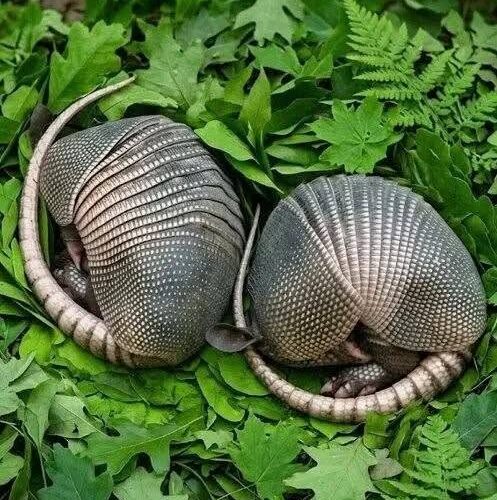
but then you remembered that nature can be quite dramatic, and you went to have a coffee instead.
These headlines inviting you to “shocking discoveries in the garden” usually end with a butterfly simply flying out of the cocoon, or it is a completely ordinary insect cocoon that is fulfilling its natural function in the garden.
Movement inside the thick-walled shell is quite common among pupae — the pupa reacts to shocks, light or heat by flapping itself (a so-called defensive reflex, which is supposed to scare away birds and other predators).
If you’re wondering what’s actually settled on your fence, it’s most likely one of these candidates:
Pupae of a different species (e.g., the death’s-head lichen or the lilac lichen): They make very strong, shiny, brown to almost black hard shells (often in or just above the ground). The pupae are several centimeters long and can wiggle their tails very actively if disturbed.
Pupae of a moth or caterpillar: They often use leaves, clay, and fallen twigs connected by a strong thread, so the shell looks like a thick, impermeable casing.
Pupae of spiders (e.g., the orb weaver): They are made of thick, felty webs. But there’s one big thing that doesn’t move inside, unless hundreds of little spiders are hatching.
Unless this was just a continuation of our clickbait game and you really have those cocoons in your garden: what do they look like? (Color, size, material — clay, silk, or shiny shell?)
The material was prepared by the editorial team using artificial intelligence tools. All information was checked and edited before publication.