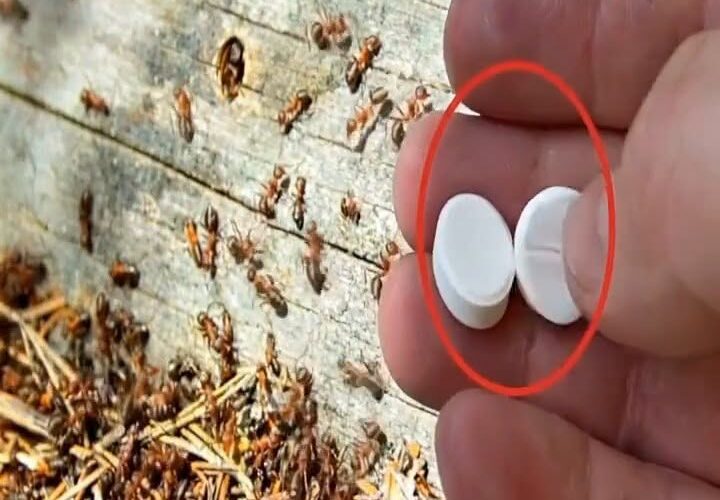
Headlines about ants fleeing in 10 seconds are typical internet clickbait. While a well-aimed swat might trigger a brief escape, it doesn’t guarantee permanent ant control in your garden—the ants will either return or build a new nest nearby.
What causes a quick “escape in 10 seconds”?
A 1:1 mixture of vinegar and water or soapy water: Instantly neutralizes scent trails (pheromones). The ants become disoriented and flee in panic.
Boiling water: Kills the affected ants immediately. However, it is ineffective against the queen, who resides deep underground and burns the roots of surrounding plants.
Aromatic repellents (cinnamon, cayenne pepper, coffee grounds): These strongly repel ants and force them to change course within seconds, but they don’t destroy the entire colony. What helps with long-term ant control?
Fed traps (slow but effective): A mixture of sugar/honey and baking soda or boric acid (or commercially available gel dispensers). The worker ants carry the poisoned bait directly to the queen. It takes a few days, but the entire nest is destroyed from the ground up.
Protecting trees and shrubs: Apply sticky strips to the trunks. The ants can no longer climb up, protect and feed on aphids, and leave the plant.
Natural predators: Birds, lizards, ground beetles, and frogs keep the ant population in a natural balance.
It’s also not advisable to completely eliminate ants from the garden—they loosen the soil, incorporate organic matter, and eat the larvae of many pests. The goal is to keep them away from the places where they can cause damage.