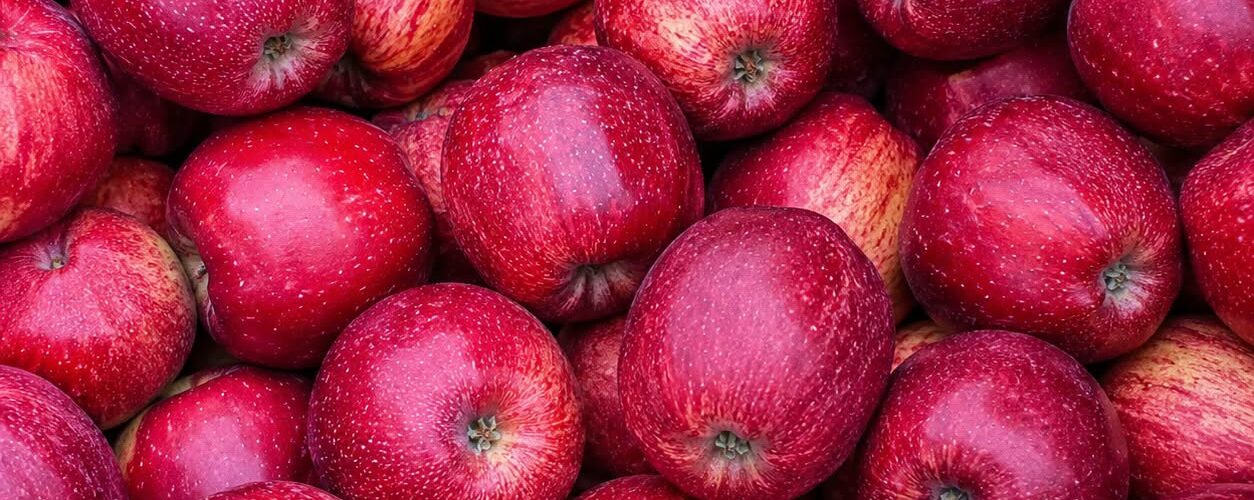
Large supermarkets and modern distribution prioritize transportability, durability and uniform appearance – often neglecting aroma and taste. As a result, hundreds of traditional and historical varieties have been forgotten.
Among the most important old varieties (especially in the Iberian Peninsula and in Europe) are:
Bravo de Esmolfe: One of the most famous traditional Portuguese apples, characterized by an intense floral aroma, soft flesh and a unique balance of sweetness and acidity.
Camuesa (e.g. from Sintra): A very old variety with a slightly flattened shape, firm skin and rustic, fragrant taste.
Casa Nova: Typical of high altitudes and traditional growing areas, highly valued for its natural durability without industrial processing.
Malapio and Pipas: Smaller apples, extremely aromatic with firm flesh, once very popular for eating fresh in the fall.
Reineta Parda Tradicional: Although the Reineta variety is still commercially available, older varieties have a significantly rough skin, which prevents its widespread distribution. However, its flesh remains dense and unsurpassed, making it excellent for baking.
Why have these varieties disappeared from store shelves?
Thin skin: Many varieties have thin skins and are easily damaged when shipped in large quantities. Unstandardized appearance: Irregular shapes, natural blemishes on the skin, and uneven sizes do not meet the visual standards of large supermarket chains. Uneven ripening: Older trees do not always bear all the fruit at once, requiring gradual hand harvesting. Currently, these apples can only be found at farmers markets run by local producers, at regional fall festivals, or through tree preservation at nurseries specializing in historic varieties of the fruit.