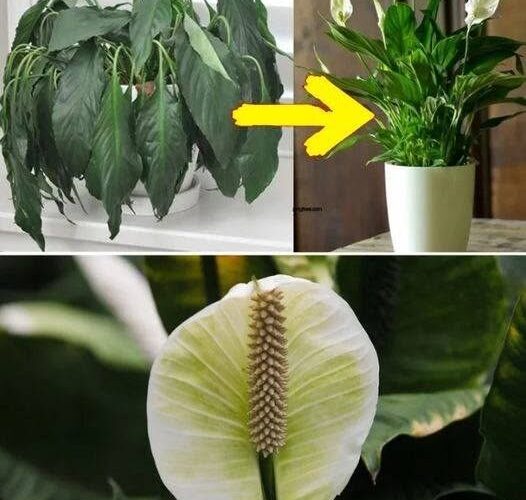
This spoon trick is a classic among gardening tips on the internet. Depending on what you put in the spoon, the following happens (and what is pure fiction):
Option 1: A spoonful of cinnamon powder 🪵
What to expect: Protection and healing. Cinnamon has natural antifungal and antibacterial properties.
If you sprinkled a spoonful of cinnamon on the soil or cut off a leaf and placed the cinnamon on the affected area of the plant, you’ve done everything right. It prevents fungal growth (the white mold in the soil) and keeps fungus gnats away from the pots.
Option 2: A spoonful of coffee grounds ☕
What to expect: Long-term nutrient supply (in moderation). Coffee grounds contain nitrogen, phosphorus, and potassium.
Mistake: Damp coffee grounds placed directly on the soil form a layer that traps excess moisture and promotes mold growth.
Correct: Let the soil dry thoroughly in the sun and mix in this teaspoon of coffee grounds. This will slightly acidify the soil (begonias and ferns will thank you) and improve its structure.
Option 3: A spoonful of sugar 🍬
What to expect: Ants and problems. Some videos claim that sugar gives plants “energy.”
In reality, plants produce their own sugar through photosynthesis. Adding a spoonful of sugar to the soil will only attract ants and promote root rot. Avoid this.
Option 4: A spoonful of baking soda 🧪
What to expect: A good pesticide (diluted).
Never sprinkle the powder directly onto the soil. But if you mix a teaspoon of baking soda with a few drops of blue and white soap in a liter of water, you’ll have an excellent homemade spray against powdery mildew (those white spots on the leaves).
Option 4: A spoonful of baking soda 🧪
What to expect: A good pesticide (diluted).
Never sprinkle the powder directly onto the soil. But if you mix a teaspoon of baking soda with a few drops of blue and white soap in a liter of water, you’ll have an excellent homemade spray against powdery mildew (those white spots on the leaves).
Option 3: A spoonful of baking soda 🧪
What to expect: A good pesticide (diluted).
… Option 5: Spoons… literally made of metal or rusty metal 🥄
What you can expect: Practically nothing. The myth that metal nails or spoons in the soil provide plants with iron persists. The metal of an ordinary spoon takes years to decompose, and the iron released is difficult for plants to absorb. It’s much better to buy an iron supplement (iron chelate) at a garden center.
🌿 Summary: Plants like it simple: plenty of light, sufficient water, and high-quality soil. Most “kitchen tricks” do more harm than good.
What secret ingredient would you put in that spoon?