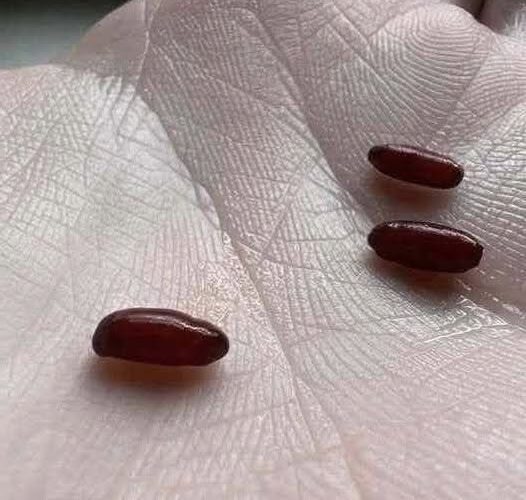
Ticks transmit pathogens such as the TBE virus (tick-borne encephalitis) and Lyme disease bacteria. While vaccination protects against TBE, Lyme disease requires caution after spending time outdoors.
Signs of infection
Lyme disease: A characteristic symptom is the erythema migrans rash – a circular, spreading redness around the bite site, often appearing days or weeks later. Flu-like symptoms such as fever, headache, and muscle aches also occur.
TBE: Often progresses in two phases. After initial feverish symptoms, there is often a symptom-free interval before the nervous system may be affected.
Effective Protection Measures
Clothing: Wear light-colored, long clothing (ticks are easier to spot) and tuck your pants into your socks.
Repellents: Apply insect sprays containing active ingredients like DEET or Icaridin to your skin and clothing.
Checking: After every outing in tall grass, bushes, or undergrowth, thoroughly check your body – especially your armpits, the backs of your knees, your groin, and the hairline for children.
Proper Removal
Grasping: Grasp the tick with tweezers or a tick removal card, close to the skin at the base of the tip.
Pulling: Pull the tick straight out slowly and slowly (do not twist or squeeze).
Disinfecting: Thoroughly disinfect the bite site.
Avoid: Use oil, glue, or alcohol before removal, as the tick may release saliva containing pathogens as it dies.
When to See a Doctor?
Consult a doctor if a rash develops around the bite, if fever or fatigue occurs in the weeks following the bite, or if the bite site becomes severely swollen and painful.