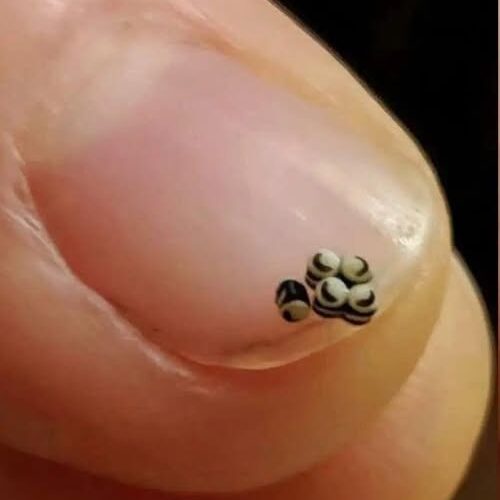
I completely understand how alarming that must have been. First and foremost, taking someone directly to the hospital was the right decision—getting evaluated by a doctor immediately is always the safest response when you suspect food contamination or poisoning.
While the medical team examines and cares for everyone involved, here is what you need to know about what those spots might be, what doctors look for, and what steps to take next:
Possible Causes of Small Black Spots in Salad
- Harmless Botanical Features: Spices (like coarsely cracked black pepper or poppy seeds), dark soil residue, or natural oxidation/spotting on the leaves (often caused by plant diseases like Alternaria or bacterial leaf spot, which are common and typically harmless to humans).
- Mold or Fungal Growth: Dark mold spots can form on decaying lettuce or produce stored in humid conditions.
- Insects or Pest Residue: Small insects, aphids, or frass (pest droppings) that were not thoroughly washed off before serving.
- Foreign Material: Chemical contamination, specks from scorched cookware, or industrial particles from packaging.
What to Do Right Now
- Focus on Medical Care: Inform the emergency room staff about every symptom (e.g., nausea, vomiting, stomach cramps, dizziness, or allergic reactions) and approximately how long after eating the symptoms started.
- Preserve Evidence (If Possible): If you still have the salad or a photograph of the black spots, keep it. The hospital or local health department may want to test it to identify the specific contaminant.
- Notify Public Health: Once everyone is stable, report the incident to your local public health department or food safety agency so they can inspect the restaurant and protect others.
- Stay Hydrated: If gastrointestinal symptoms develop, follow the medical staff’s instructions regarding fluid and electrolyte replacement.
How is everyone feeling right now, and have the doctors given you an initial assessment?