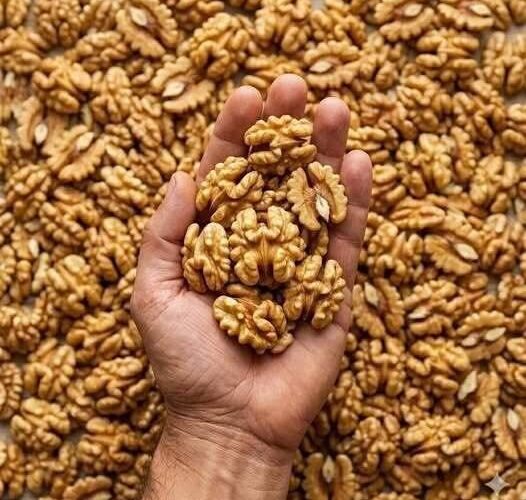
Walnuts are among the most researched foods in the world. While many nuts primarily contain monounsaturated fatty acids, walnuts boast a unique composition of polyunsaturated fatty acids and antioxidants.
Numerous clinical studies demonstrate that consuming a handful of walnuts daily (approximately 30 grams, equivalent to about 7 to 9 whole nuts) has a dramatic impact on health.
- Cardiovascular System: Lowering Cholesterol Levels
Walnuts are the only type of nut with a significantly high content of alpha-linolenic acid (ALA), a plant-based omega-3 fatty acid.
Vascular Elasticity: A daily dose of walnuts has been shown to improve the function of the endothelium (the inner lining of blood vessels), which helps regulate blood pressure.
Cholesterol: Studies show that regular consumption lowers “bad” LDL cholesterol and total triglycerides in the blood, thereby reducing the risk of hardening of the arteries (arteriosclerosis).
- Brain Health: Protection Against Cognitive Decline
The shape of the walnut is reminiscent of a human brain for good reason. The combination of omega-3 fatty acids, vitamin E, and special plant compounds (polyphenols) has strong antioxidant and anti-inflammatory effects.
Neuroprotection: Long-term studies (such as the PREDIMED study) suggest that a nut-rich diet slows age-related cognitive decline and supports memory and concentration.
- Gut Flora: Food for the Good Bacteria
Walnuts have a positive influence on the microbiome (the entirety of gut bacteria). People who eat walnuts daily show an increase in bacteria that produce butyrate (butyric acid). Butyrate is a fatty acid that nourishes the intestinal lining, inhibits inflammation throughout the body, and actively promotes gut health. - Weight Management and Satiety
Although walnuts are high in calories (around 650 kcal per 100g), they have not been shown to cause weight gain when consumed daily as part of a normal diet.
Appetite Control: MRI scans of the brain show that consuming walnuts activates a brain region (the insula) responsible for regulating hunger and appetite. They increase feelings of fullness and reduce cravings for sweets.
The Catch: How to Store Them Properly
Due to their extremely high content of delicate omega-3 fatty acids, walnuts tend to become rancid quickly if stored improperly. Once exposed to oxygen, light, and heat, the fats oxidize, which not only tastes bitter but also negates their health benefits.
Practical tip: It’s best to buy walnuts in their shells, or store shelled kernels in an airtight glass jar in the refrigerator, or even freeze them. This way, the valuable fatty acids are protected.