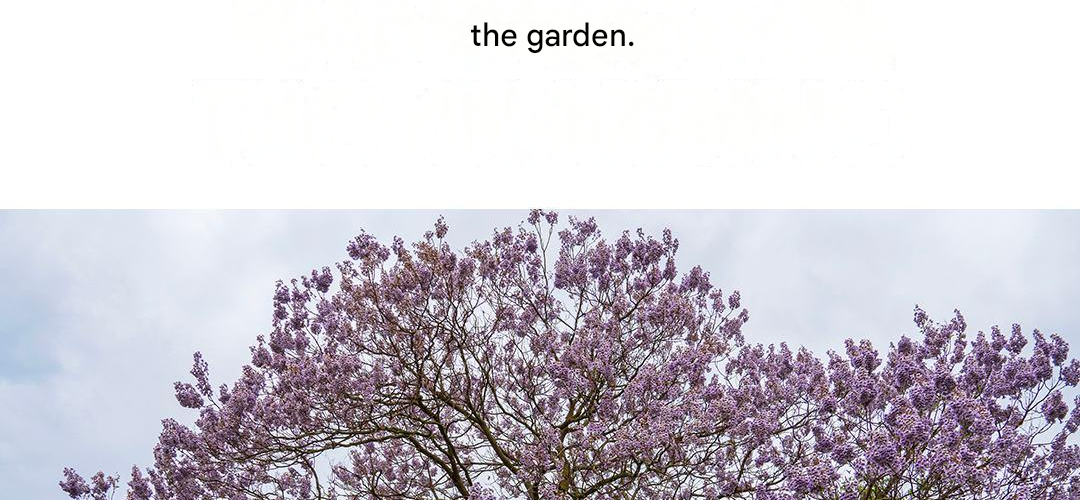
The paulownia (also known as the bluebell tree or paulownia) is considered the “phoenix of trees.” It not only grows at an almost uncanny pace, but is also a true all-rounder in the fight against climate change.
Here are the “secrets” behind its success and what you need to consider when cultivating it:
- The Growth Secret: The “Turbo Effect”
Under optimal conditions, the paulownia can grow up to 3 to 5 meters per year. In just 10 years, it reaches a size that would take an oak or beech tree 60 to 80 years to achieve.
The pros’ trick: In its second year, the tree is often radically pruned back to the ground in spring. This sounds brutal, but it allows the plant to harness the full power of its already established root system to sprout an extremely straight, thick, and sturdy trunk in record time.
- The Environmental Secret Weapon
Why is it so often called a “climate tree”?
CO₂ vacuum cleaner: Due to its enormous leaves (which can grow up to 80 cm in diameter when young), it absorbs up to five times more CO₂ than conventional European forest trees.
Fine dust filter: The hairs on the leaves act as a natural filter for dust and noise, making it ideal for urban areas.
Soil saver: As a deep-rooted tree, it loosens the soil and prevents erosion, while its fallen leaves are extremely rich in nitrogen and fertilize the soil.
- Pro tips for successful cultivation
Anyone wanting to plant a paulownia in their garden or on a plantation should know these three “secrets”:
Location is everything: It loves the sun! Shade is its greatest enemy. The soil must also be well-drained. Waterlogging leads to root death within a very short time (“it absolutely hates wet feet”).
Wind protection: The enormous leaves act like sails. Young trees should be planted in a sheltered spot to prevent the trunks from snapping or the leaves from being torn.
Nutritional demands: It is a heavy feeder. In the first two years, it needs plenty of water and fertilizer (especially nitrogen for leaf growth and potassium in late summer for winter hardiness).
- The wood: The “aluminum of the forest”
Paulownia wood is exceptional:
It is extremely light (approx. 300 kg/m³), yet incredibly strong and highly flame-resistant (flash point only at approx. 420 °C).
It does not warp when drying, which is why it is highly sought after for musical instruments, surfboards, and modern lightweight construction (motorhomes, boats).
Quick Checklist for Beginners
Ideal Conditions
Planting Time: April to June (after the last frost)
Soil: Sandy-loamy, pH 5.5 to 8.5
Winter Hardiness: Mature trees tolerate down to -20°C (protect young plants!)
Water Requirements: High for the first 2 years, then drought-resistant
Important Note: In some regions, the Paulownia is considered invasive because it can spread via thousands of tiny wind-borne seeds. Professionals therefore often use sterile hybrids (such as Paulownia elongata x fortunei), which do not spread uncontrollably and grow even faster.
Were you planning to plant a Paulownia as a solitary tree in your garden, or are you considering a larger area for timber harvesting?