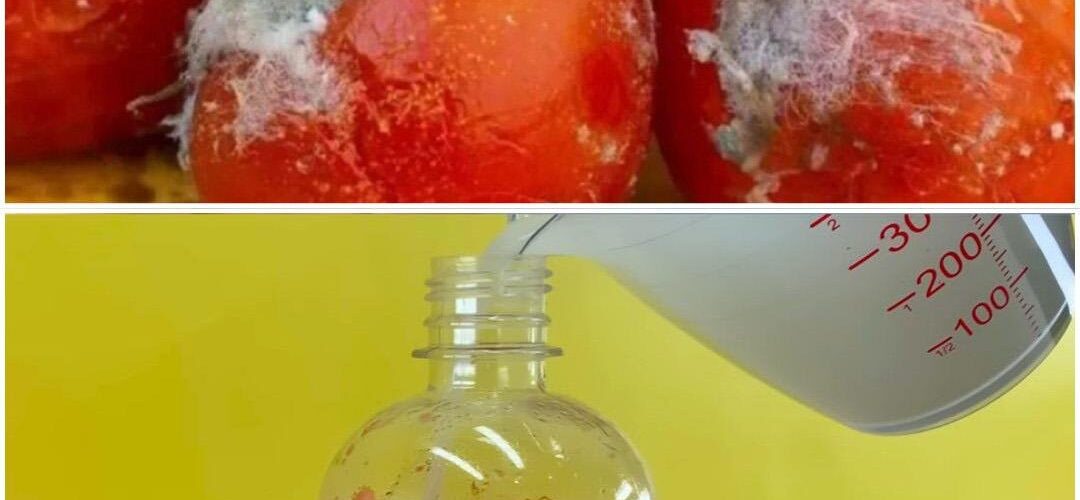
This headline would surely win the “Clickbait of the Year” award! It sounds like the opening of an article from a dodgy health magazine, but from a scientific, horticultural, or historical perspective, it actually makes sense.
Here’s an article that explains why you shouldn’t immediately dismiss a rotten tomato:
🍅 Why You Shouldn’t Throw Away Rotten Tomatoes? Hidden Treasure in the “Trash”
Most of us throw them away in a flash as soon as we spot the first mold or a soft spot. But what if I told you that they are actually more valuable for certain purposes precisely because they are in their “worst” state? Before you toss them in the trash, read on to find out why rotten tomatoes are biological gold.
Gene bank for your garden
If you have a rotting tomato from your garden (or from an organic farm), you’re holding a veritable seed bomb. The rotting process is a natural way to get rid of germination inhibitors.
Benefits: The rotting pulp acts as fertilizer for the seeds it contains. If you simply place such a tomato in your garden bed, it will likely produce the strongest seedling you’ve ever grown next year.
Super fuel for the compost
A rotting tomato is like an energy boost for the compost heap. It contains a lot of water and nitrogen, which accelerates the decomposition of other dry materials.
Tip: The more rotten the tomato is, the faster its nutrients (including potassium and phosphorus) will be available to your future plants.
Historical and artistic value (La Tomatina)
Think of the Spanish festival La Tomatina. There, the softest, most rotten tomatoes are the most prized. Why? Because the rottener they are, the less it hurts when they fall in your face! In this sense, their “degree of rot” is directly proportional to the quality of the eating experience.
The scientific perspective: Fermentation
In some cultures, overripe (not necessarily moldy) tomatoes are used to make fermented sauces. Fermentation increases the lycopene content, and certain antioxidants are better absorbed by the body.
⚠️ Beware of mold! While rotten tomatoes are valuable for the garden, they should never be eaten if they contain mold. Mold toxins (mycotoxins) permeate the entire fruit, even if you only see a small piece.
Conclusion
Next time you find a forgotten, liquid red fruit at the bottom of your refrigerator, don’t throw it away. Hang it on a tree, compost it, or collect the seeds. In nature, there is no such thing as “waste.”
Did I understand you correctly, or was your comment more politically motivated and referring to “dilapidated structures” that are valuable to someone?