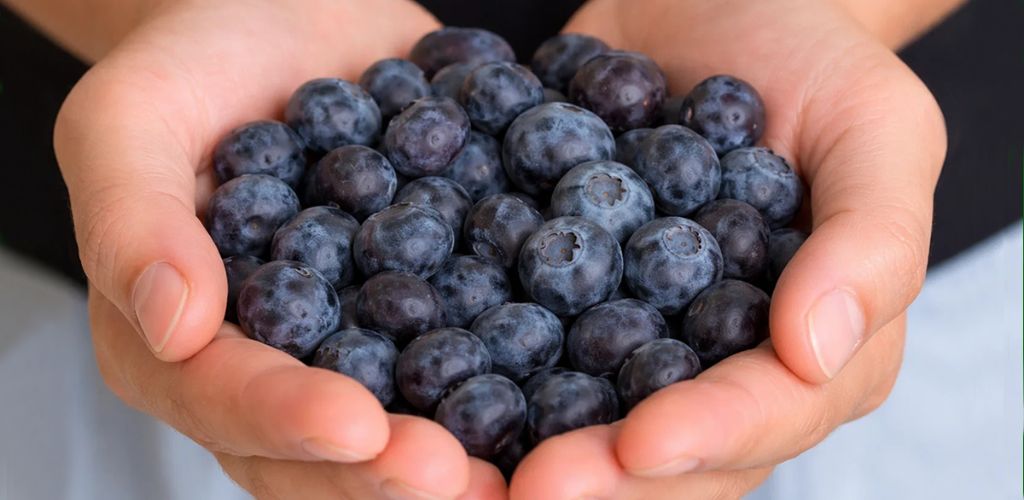
Growing blueberries in pots is a great way to have this “superfood” right at your fingertips, even if you don’t have a garden with ideal soil. Blueberries are extremely demanding on soil acidity, which is much easier to control in a pot than in open ground.
Here is the “quick method” and key steps to ensure that your bushes thrive and bear abundant fruit:
- Choosing the right variety (Key to success)
For pots, don’t look for giant bushes from the forest, but reach for Canadian blueberries (varieties such as Sunshine Blue, Top Hat or Peach Sorbet). They are more compact, grow to a smaller size and are bred specifically for growing in containers. - Acidic soil – no train can go through this
Blueberries will die in regular garden soil. You need a low pH (ideally 4.0 to 5.0).
Quick potting mix: Mix peat with a little coarse sand and good quality compost (or buy a ready-made substrate for heath plants/rhododendrons).
Tip: Cover the surface of the soil with bark mulch or sawdust to retain moisture and acidity.
- The right container
Start with a pot with a capacity of at least 15–20 liters.
Drainage is important (holes in the bottom and a layer of pebbles or expanded clay), as blueberries hate “stagnant” water, although they love moisture.
🚀 Quick method for a constant supply (The two-bush trick)
If you want to have a lot of blueberries for a long time, use this rule:
Cross-pollination: Although many varieties are self-pollinating, if you have two different types next to each other, the harvest will be up to 30–50% higher and the fruits will be larger.
Combination of ripening: Buy one “early” variety (bearing in June) and one “late” (bearing in August). This way you will have fresh fruits almost all summer.
- Care in a nutshell
Watering: Blueberries are sensitive to chlorine and calcium. If possible, water them with rainwater. If not, at least let the tap water stand.
Sun: They need at least 6–8 hours of direct sun per day. Place them in the brightest place on the balcony.
Fertilization: Use only fertilizers intended for acid-loving plants (without calcium). - Wintering
Roots freeze faster in a pot. For the winter, wrap the pot in burlap or bubble wrap and move it to the wall of the house.
Have you already bought seedlings, or are you still deciding which wall of the balcony you will sacrifice for them?