Zipper Repair in 60 Seconds: Viral Life Hack Tested
A broken zipper on your favorite jacket or backpack can be extremely frustrating. However, a currently circulating video trend promises an attractive solution: a quick fix, no special tools, and above all, no tedious replacement of the entire zipper. Such content spreads quickly because it satisfies our desire for immediate help and cost savings. However, there is no magic behind the alleged “secret discovery”, but rather simple mechanics.
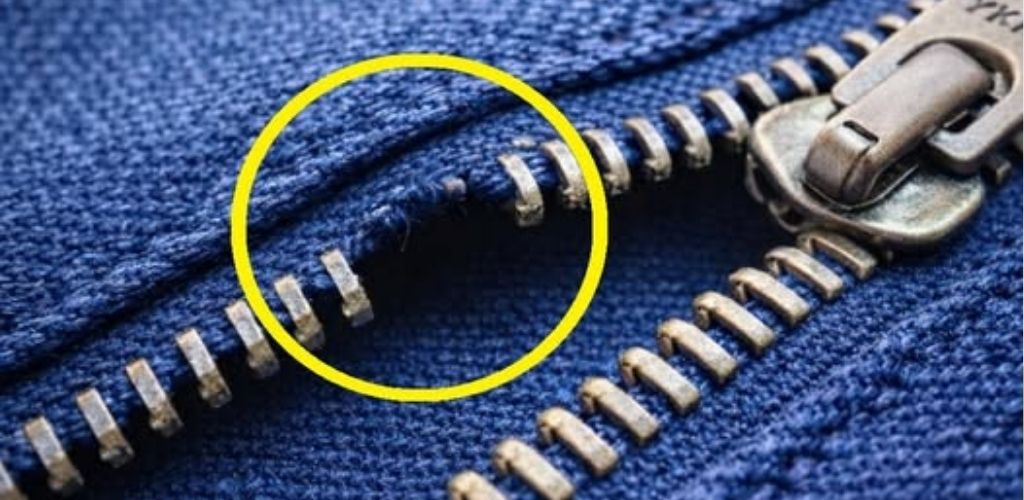
Before you reach for the tools, you need to understand how a zipper actually works. It consists of three main components: the teeth (chains), the slider (also called the tab or runner), and the tab. In most cases, the problem is not with the teeth, but with the tab. With everyday use, it bends slightly, causing it to lose the necessary pressure. The result: The teeth no longer engage and the zipper slider opens. Many supposedly “broken” zippers are simply misaligned.
The Pliers Trick: What’s happening physically?
The core of this viral trick usually involves applying targeted force to the sides of the slider using pliers or firm finger pressure. This reduces the internal gap in the slider, which then presses the teeth together tightly again. This temporarily restores the mechanism’s original geometry. It’s pure physics: When the channel through which the teeth pass is narrow enough again, they lock into place as intended.
However, these short videos often overlook the fact that this “trick” is not a guaranteed fix in every situation. Analysis shows that success depends largely on the type of damage. While a loose slider is ideal for this method, worn or missing teeth reach their limits. In such cases, even the most pressure will not help, as there is no mechanical basis for the closure.
Comparison: Quick Trick vs. Professional Repair
To better assess the value of this trick, it is worth looking at the alternatives. Not every solution is suitable for every garment, especially when it comes to expensive outdoor gear or delicate designer clothing.
Method Time Required Difficulty Durability Result
Video Hack (Print) 1–2 min. Very low Medium Works on wide sliders
Slider replacement 10–20 min. Medium High Strong and durable solution
Complete replacement 30–60 min. High Very high Like new, requires sewing
Why zippers fail at all
A detail that is almost never mentioned: Zippers are often designed to weaken over time. Many manufacturers use lightweight alloys like zinc or aluminum for the slider. This saves cost, protects the fabric, and allows for a degree of controlled deformation. However, it is this flexibility that leads to material fatigue. In a backpack that is used daily, the constant lateral stress causes the metal to eventually lose its shape.
When you use the pliers trick, you bend the metal back into place. However, since the material is already weakened by use, the slider can open up again after a few weeks, or it can become brittle and break. That means: As a quick fix when you’re out and about, this trick is great, but it won’t replace a proper repair with a replacement made of a better material.
When to use this trick—and when not to use it
This quick fix is ideal if you’re out and about and need to zip up your jacket in a hurry. It’s perfect for garments that are in generally good condition, where the zipper just isn’t working properly. It’s a great quick fix that can save the day.
However, caution is advised if the slider is very old or made of poor quality plastic. Too much pressure can completely ruin the material. You should also be careful with very delicate fabrics, as the tool can easily slip and damage the fabric. In such cases, it is often wiser to simply replace the slider with a universal replacement slider that can be installed without sewing.
Sustainability through technical understanding
The real value of such tricks lies not only in the repair itself, but also in developing diagnostic skills. Understanding why the system is failing makes you less dependent on generic solutions. You will learn to distinguish: Is it friction, wear or a mechanical fault? Sometimes a little graphite from a pencil or dry soap can improve lubrication and mechanical stability.