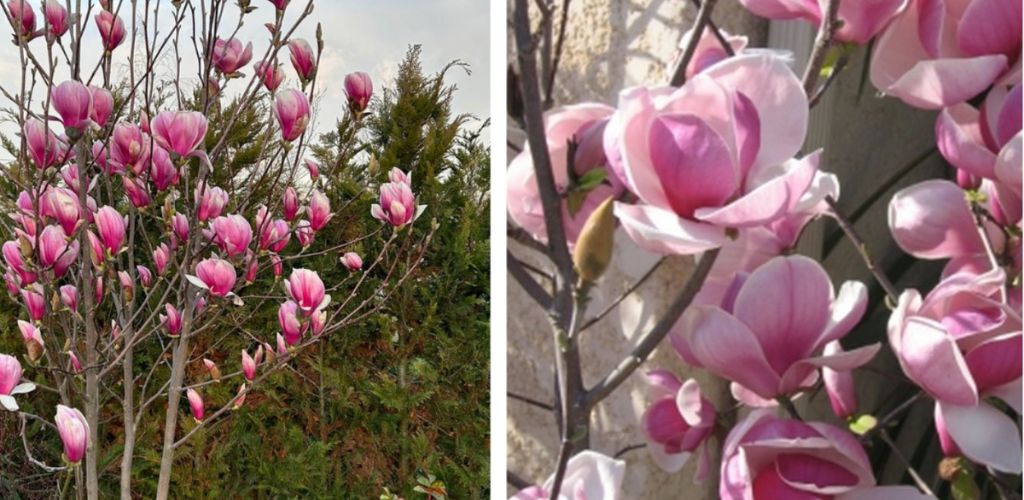
The magnolia is one of the most beautiful ornamental trees in spring. Its large, fragrant blossoms transform any garden into a small work of art. However, to reach its full splendor, it needs the right care at the beginning of the season.
March and the beginning of spring are crucial periods – this is when it’s decided how many blossoms your magnolia will produce this year.
🌿 Why do magnolias sometimes bloom sparsely?
The most common reasons:
Frost damage to the buds
Nutrient deficiency
Pests and diseases
Incorrect soil care
The good news: Most problems can be avoided with simple measures.
🛡️ Bud protection: The foundation for successful blooming
Buds are very sensitive during the transition from winter to spring. Therefore, preventative treatment is recommended:
Copper-based sprays (e.g., Bordeaux mixture)
Protect the plant from fungal diseases such as leaf spot or powdery mildew.
Horticultural oil (mineral oil)
Forms a protective film against pests such as aphids, spider mites, or insect larvae.
👉 Ideally, apply in dry weather and at temperatures above 5°C (41°F) to ensure good adhesion.
🌱 Sufficient fertilization for abundant blooms
Magnolias need sufficient nutrients in spring, especially:
Phosphorus (P) – promotes flowering
Potassium (K) – increases resistance and flower quality
Recommended options:
Compost or well-rotted manure
Granulated flowering plant fertilizer
Natural extracts (e.g., from banana peels)
⚠️ Beware of excessive nitrogen – while it promotes leaf growth, it reduces flowering.
❄️ How to Protect Your Magnolia from Late Frosts
Spring weather can be unpredictable, and frost can destroy blossoms before they even open.
Practical Tips:
Water the tree sparingly during dry periods. Cover the crown with fleece as soon as frost threatens. Protect young plants more carefully than older ones.
🌾 Proper Soil Care = Stronger Plants
Magnolias love airy and moist soil. Mulching plays an important role in this.
Suitable mulch materials include:
Bark
Dry leaves
Compost
Straw or peat
The mulch layer should be about 5–7 cm thick. It helps to:
Retain moisture in the soil
Protect the roots from temperature fluctuations
Improve soil quality
🌸 Small Steps, Big Impact
Proper care in spring can make a big difference. If you provide your magnolia with protection, nutrients, and stable conditions, it will reward you with abundant and long-lasting blooms.
Your garden can become a place you love returning to every day.
👉 Follow our page, give us a like 👍, share this article, and help raise awareness—it could save your life and the lives of your loved ones.