The new EU regulation on packaging and packaging waste (PPWR) comes into force on August 12th, 2026. This regulation brings significant changes and clarifications in the area of disposal of coffee capsules, coffee pods and tea bags.
Where do capsules and pods belong from August?
The legal classification has been standardized: Single-use packaging will now be considered system packaging throughout the EU. Disposal depends on the material:
Aluminum and plastic capsules → Yellow bag/yellow bin (recycling bin) Since capsules are now classified as sales packaging requiring a license without exception, they belong directly in the recycling cycle.
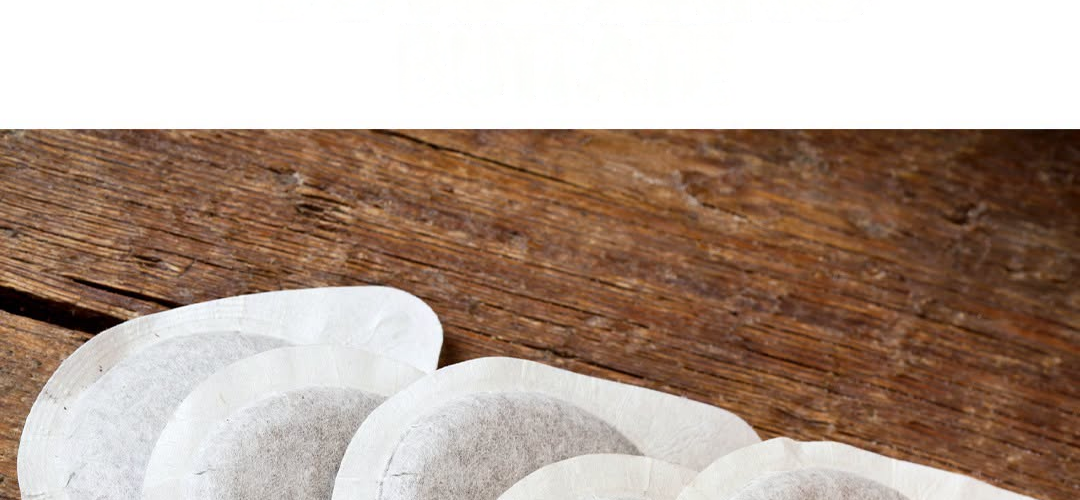
Paper/cellulose coffee pods and tea bags → Biowaste bin / Compost. Cellulose-based filter bags and pods are biodegradable and can be disposed of directly with the biowaste.
Why do coffee capsules no longer need to be emptied?
There are two main reasons why consumers no longer have to laboriously scrape off the wet coffee grounds:
Legal full packaging: The regulation defines the capsule and its contents as one unit when it is placed on the market. The manufacturer pays for the recycling of the entire capsule through extended producer responsibility (dual system).
Technological progress in recycling facilities: Modern sorting and recycling facilities crush the capsules, after which the material is washed. The wet coffee grounds are easily separated and can be used for heat or energy recovery (e.g. in biogas plants), while aluminum or plastic are sorted by type and recycled.
Tip: For biodegradable plastic capsules, continue to follow the manufacturer’s instructions. Clean paper systems and paper inserts belong in the biowaste bin, while capsules containing plastic end up in the yellow bin.