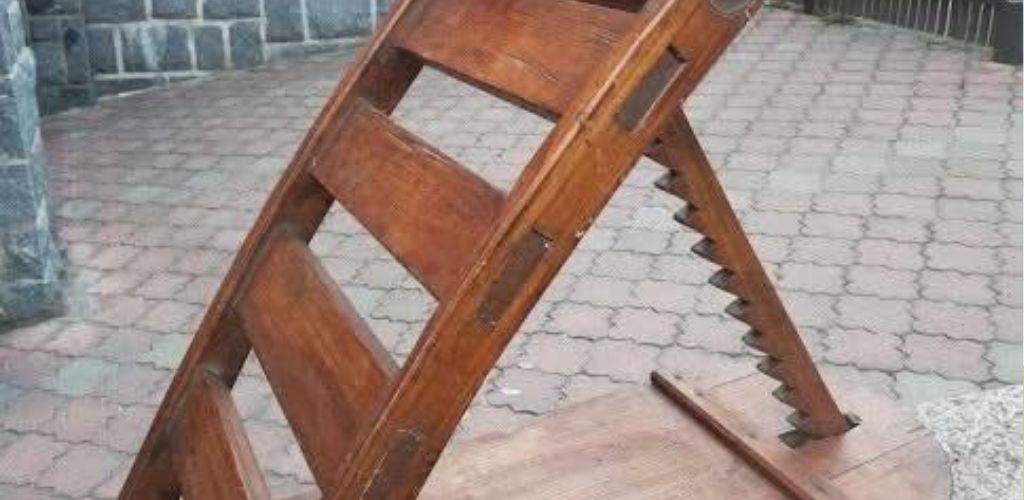
The Magic of a Wooden Cheese Press: A Forgotten Heritage of Rural Craftsmanship
When you hold an old wooden cheese press, you own more than just an antique—you hold a testament to a slower pace of life. This weathered piece of wood, with its smooth surfaces and functional design, tells the story of past generations. It is the story of people who knew that the best things in life take time and cannot be forced. In a world of fast consumption, this tool reminds us of the value of the handmade.
What is a Traditional Cheese Press? A Tool of Transformation
From the 18th to the early 20th century, the traditional wooden cheese press was the centerpiece of almost every farm kitchen. Made from dense hardwoods such as maple, oak, or beech, it served an almost alchemical purpose: transforming fresh cheese curd into solid cheese wheels. The gentle but steady force of time and pressure squeezed the whey out of the curd. This process was crucial for the cheese’s shelf life and its characteristic texture.
How it works and the advantages of the material: Why wood was the best choice
The process was remarkably simple yet effective. Fresh curd was wrapped in cheesecloth and placed in a cylindrical mold. The press’s screw or lever mechanism applied consistent, adjustable pressure for hours—sometimes even days. This slowly squeezed out the whey as the curd solidified into a firm, sliceable mass. The hardwood offered three key advantages: natural antimicrobial properties, extreme moisture resistance, and slight breathability through its fibers, which was essential for the ripening process.
The process was simple yet effective. Features of original antique cheese presses at a glance:
Feature Function Importance for collectors
Drainage channel/hole Whey drain Sign of genuine functionality
Removable mold Curd collection tray Often shows signs of use inside
Threaded screw Pressure regulation Mechanical heart of the device
Smooth surfaces Hygiene and use Patina from decades of use
More than just function: Philosophy in wood
This press embodies a worldview that has almost been lost in our modern age. It represents self-sufficiency, when families processed raw milk into food without global supply chains. It also reflects the wisdom of the seasons: Cheesemaking followed the rhythm of nature – from calving in spring to summer grazing and preservation for winter. It is a metaphor for a conscious life where value arises from mindfulness and patience, not from acceleration or industrial production.
Care and preservation: How to preserve your heritage
If you own such an original, you should take good care of it. Clean the wood carefully with a mild vinegar-water solution and never soak it. To prevent cracking and maintain the material’s quality, treatment with food-grade mineral oil is recommended. Whether as a decorative element on your kitchen countertop or as a practical tool for small quantities of paneer, feta, or ethically sourced cheddar, a cheese press reminds us daily of true craftsmanship and our connection to our roots.
A silent protest against the throwaway culture
In an age of highly processed foods and a throwaway mentality, the wooden press embodies a subtle resistance. It reminds us that true food is not manufactured, but created. That the most sustainable things require time, care, and human attention. Give this object a place of honor in your home and be inspired by the question that has been asked for centuries: “What will you create with your own hands today?” The past teaches us how to move patiently and purposefully into the future.
Did you enjoy this journey into the world of traditional cheesemaking? Thank you for your support! Subscribe to our page and receive more fascinating insights into historical craftsmanship. Like and share this post with other antiques and slow-life enthusiasts! What vintage kitchen appliances do you cherish? Share your stories in the comments – we look forward to hearing about your experiences!