The Riddle of Strange Kitchen Scissors: What is an egg slicer and how is it used?
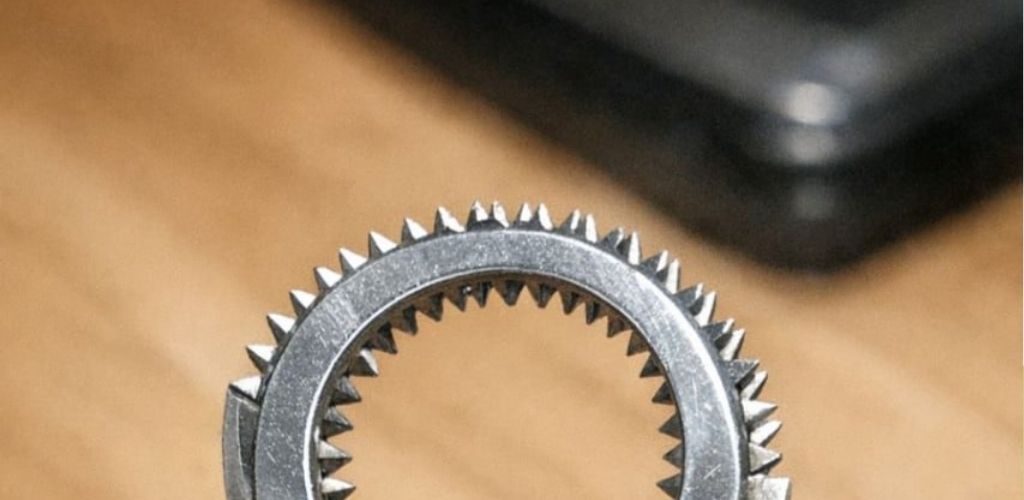
While rummaging through your cutlery drawer, you sometimes come across a curious tool that looks like scissors, but instead of sharp blades, it has a circular opening with small teeth. At first glance, it’s quite confusing – especially when you realize that this tool doesn’t perform the usual tasks of scissors, such as cutting paper. In fact, this unusual kitchen gadget is called an egg slicer or egg scissors. This tool was specifically designed to cleanly and precisely remove the top of an egg with a soft edge.
Why These “Scissors” Don’t Cut Paper
The reason this scissor-like tool doesn’t cut paper lies in its special design. It doesn’t have traditional cutting blades that slide past each other. Instead, it has a circular opening lined with small, serrated teeth. While regular scissors cut through materials, these teeth are designed for gripping and scoring, not cutting. Since the teeth aren’t sharp enough for flat materials, paper remains intact while eggshells are cracked cleanly.
The Real Purpose: The Perfect Breakfast Egg
In many European households, a soft-boiled egg is a staple of the breakfast ritual. These eggs are typically served in egg cups. An egg lid allows you to cleanly crack open the egg without breaking the shell into nasty shards. This creates a smooth opening through which you can easily eat the egg with a spoon or dip a piece of toast into the runny yolk. It’s the perfect tool for aesthetes and gourmets who appreciate a perfectly presented breakfast.
How the toothed mechanism works
The principle of an egg lid is remarkably simple, yet effective. A circular hole, usually about 2.5 to 5 cm in diameter, is placed on top of the egg. When you squeeze the handles together, the serrated teeth apply even pressure around the shell. This consistent pressure creates a clean, circular crack. The precise distribution of force causes the shell to break exactly where it needs to, rather than breaking into many small pieces.
Comparing different egg opening methods:
Method Accuracy Cleanliness Difficulty
Egg opener (scissors) Very high Excellent Very easy
Knife (knocking) Medium Often splinters Requires practice
Spoon (tapping) Low Messy Very easy
Bell egg opener High Very clean Easy
Detailed instructions
Using the tool is incredibly easy once you get the hang of it. First, place the egg securely in the egg tray. Then place the egg opener on the egg. Gently but firmly squeeze the handles together. As soon as you feel the shell loosen, release the pressure and remove the tool. The removed egg lid can now be easily lifted with your fingers or the tip of a knife, creating a perfect opening for the spoon.
Care, Safety and Storage
Although the teeth of egg openers are too blunt for paper, you should handle them with care to avoid cutting your skin. Cleaning is easy: Most models are made of stainless steel and can be easily washed in the dishwasher or rinsed with warm soapy water. To ensure a long life, it is important to dry the tool thoroughly. Since egg openers are small and resemble scissors, they often end up unused in the cutlery drawer until you rediscover them during a leisurely Sunday breakfast.
Did you like this kitchen tip? Subscribe to our page for more exciting discoveries about the home and kitchen! Give us a “like”, share this post with your friends and help others solve the mystery of strange egg finds in their drawers. Do you own an egg opener or do you prefer the classic knife method? Share your experiences in the comments – we look forward to hearing from you!