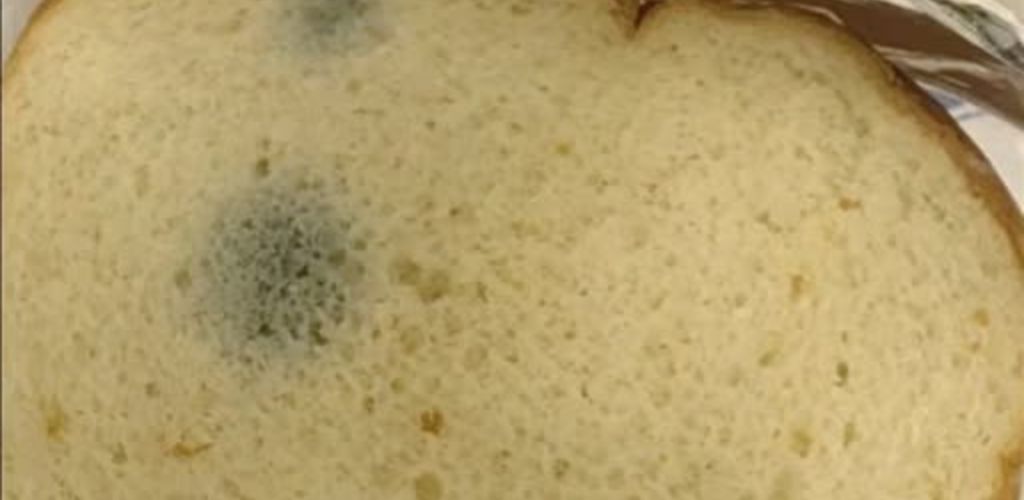
Oh dear, I have to put my foot down here! 🛑 Even though we’ve already had lots of great tips from mothers-in-law and natural remedies today: When it comes to moldy bread, the fun (and the frugality) unfortunately stops.
Here’s my honest answer to your “comments”:
Why your mother-in-law is wrong here:
The invisible network: What we see as colorful fluff on top is just the “fruiting body” of the fungus. The real problem is the mycelia – invisible, thread-like roots that can permeate the entire loaf of bread long before you see them.
Toxins are heat-resistant: Even if you generously cut away the affected area or toast the bread, the toxins (mycotoxins) remain in the dough. These can damage the liver and kidneys and are often carcinogenic.
Porous structure: Bread is like a sponge. Mold spreads slowly in firm hard cheese or a hard carrot, but in an airy loaf of bread, it practically races through the pores.
My advice for the pantry:
Throw it away: Please do not feed it to animals (not even birds or ducks; it’s just as toxic to their small organs!).
Eliminate trace elements: Wipe out the pantry shelf with vinegar water. Mold spores are extremely mobile and are just waiting for the next fresh loaf of bread.
Prevention: Bread keeps best in a clean clay pot or a bread box that is regularly cleaned with vinegar.
In short: It’s a shame to waste the food, but your health is definitely worth more than a few slices of bread.
In short: It’s a shame to waste the food, but your health is definitely worth more than a few slices of bread.