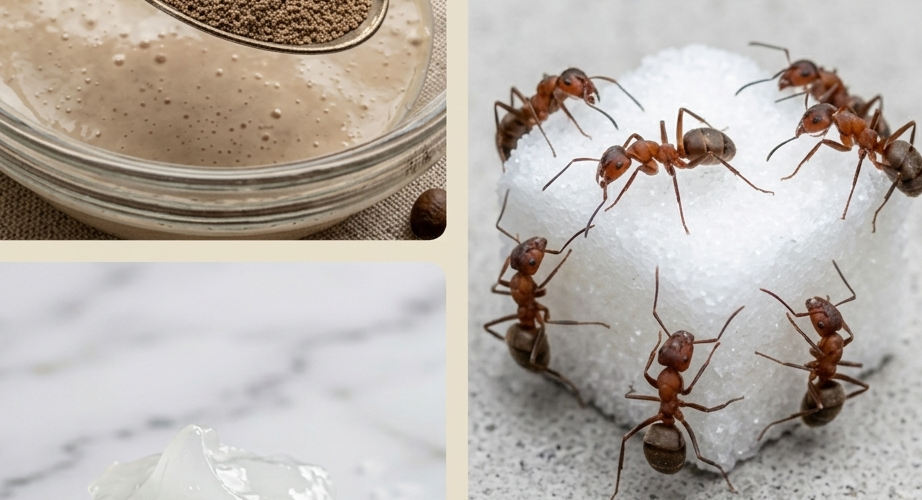
Grandmothers have always had the best tricks, which were not only effective but also easy on the wallet and your health. Your grandmother was right – ants are fascinating creatures, but nobody likes them in the kitchen.
The combination of celery and cinnamon is an excellent example of using natural repellents. Here’s why it works:
Why does this combination work?
Cinnamon: Contains cinnamaldehyde. Ants navigate by scent trails (pheromones), and the strong scent of cinnamon completely disorients them. It essentially creates an “olfactory wall” that they don’t want to cross.
Celery: Even though it might not seem like it, fresh celery leaves or juice don’t smell to ants. Combined with cinnamon, it forms a barrier that unmistakably signals to them: “You are not welcome here.”
How can this time-tested remedy be improved?
To enhance the effect of this remedy, try the following tips:
Cinnamon barrier: Sprinkle ground cinnamon directly onto the paths the ants use (windows, door sills).
Celery infusion: Puree celery leaves with a little water, strain the liquid, and add a few drops of cinnamon oil. Simply rub the solution onto the areas where you find the ants.
Chalk and vinegar: For particularly stubborn ants, grandmothers often drew a line with ordinary chalk (the calcium disturbs the ants) or rubbed the surfaces with a vinegar solution.
It’s amazing how these old tricks are coming back into fashion, especially when we want to avoid unnecessary chemicals in the home.
Would you like me to help you compile a list of other natural repellents against other pests such as moths or spiders?