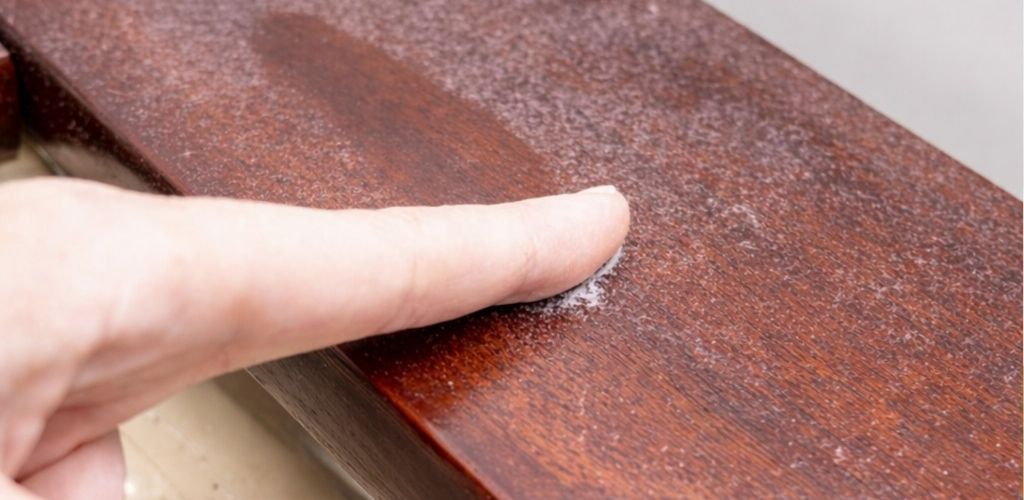
Dust in enclosed spaces: Where does the dirt come from when no one is home?
Locking a room seems like the perfect solution for cleanliness. We close the windows, lock the door, and leave everything in perfect order, convinced that the room will remain spotless for weeks or months. But when we open the door again after a long time, something strange happens: A thin, gray layer covers furniture, shelves, and the floor. The question is: Where does all the dust come from when no one has entered the room? The answer is much more complex than you might think. In fact, dust almost never enters an enclosed space from outside: Most of it is already there.
What is house dust really: A microscopic mixture
Many people believe that dust is simply dirt or grime from the street. In reality, house dust is a complex mixture of various materials that are constantly generated in the home. The main components are dead skin cells, tiny hair fragments, textile fibers from clothing and curtains, as well as pollen and microparticles from paint or walls. The human body sheds millions of skin cells daily. Many of these float in the air and then slowly settle on surfaces. Even when we leave a room, these particles are already present in the air or trapped in textiles.
Why aren’t enclosed spaces hermetically sealed?
A common misconception is that an enclosed space is completely isolated from the outside world. However, buildings are never completely sealed. There are small openings through which air can circulate: small gaps around doors, leaky window seals, holes around electrical outlets, or ventilation ducts. A slow exchange of air takes place through these invisible openings. This process is intensified by temperature differences. Warm air rises, cool air sinks. These heat currents constantly stir up settled dust and distribute it throughout the room.
Proportion of Dust Sources in House Dust
Human and animal skin flakes, hair approx. 20–50%
Textiles: carpets, clothing, upholstered furniture approx. 15–30%
Outdoor air: pollen, soot, fine dust approx. 20–40%
Building materials: plaster, paint, wood approx. 5–10%
Gravity: The Silent Dust Collector
In an occupied room, the movement of people keeps dust particles constantly suspended in the air. In an unoccupied room, the opposite occurs: nothing interrupts the deposition process. Over time, gravity pulls even the smallest particles downwards. Since no airflow is created by passage or opening doors, the dust accumulates evenly and visibly on tables, shelves, and floors. As a result, the dust layer in unoccupied rooms often appears much thicker and more diffuse than in occupied rooms, where the dust is dispersed by constant movement.
Houses “produce” their own dust
Houses are built from materials that are subject to a natural aging process. Paint, wood, plaster, insulation, and even concrete wear down microscopically over time. Temperature fluctuations cause materials to expand and contract, releasing tiny particles. This means that the building materials of a house itself contribute to dust formation. Another factor is humidity: In high humidity, dust particles absorb water from the air. They become heavier, adhere more easily to surfaces, and form layers that are much harder to remove than dry dust.
Effective tips for reducing dust accumulation
Although dust cannot be completely eliminated, there are proven methods to minimize its spread. Regular ventilation helps reduce the concentration of particles in the air. Always use damp cloths for cleaning, as dry cloths often stir up dust instead of absorbing it. It is important to vacuum carpets and curtains regularly, as these textiles attract dust like a magnet. Air purifiers with HEPA filters can also filter large amounts of fine dust from the air. Fewer loose textiles in a room ultimately mean fewer fibers that can settle as dust.
Were these insights into the world of household dust helpful? We appreciate your support! Subscribe to our page, give us a like, and share this post with your friends and family. Together we can create a cleaner and healthier home! Thank you!