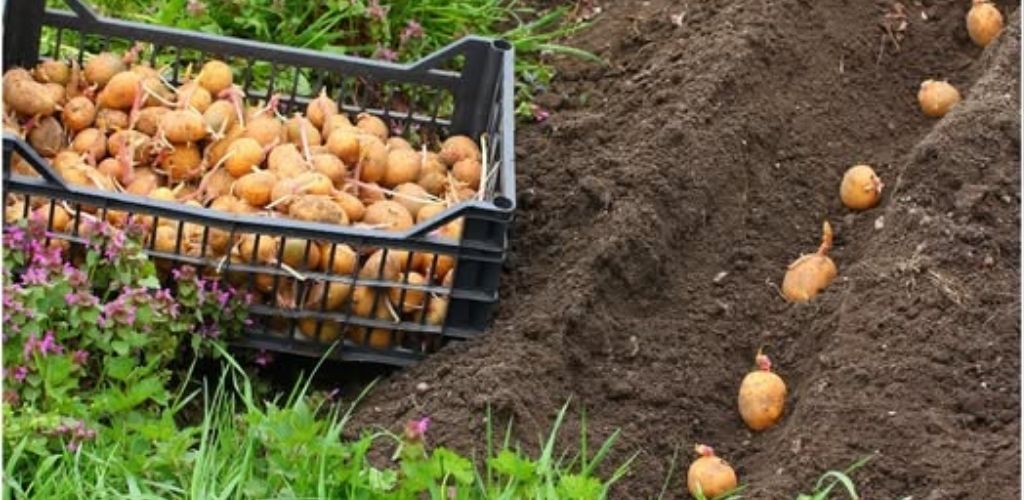
Protecting Potatoes in the Garden: Natural Methods Against Wireworms and Other Pests
Growing potatoes in your own garden is one of the most important vegetable-growing traditions for many people. Potatoes are often called the “second bread” and are a staple in many kitchens. However, during cultivation, problems with pests such as wireworms or moles often arise.
These pests multiply rapidly in the soil and can destroy a large portion of the crop, damaging tubers and young plants. Fortunately, there are proven methods to effectively combat these pests without the use of chemicals.
Many experienced gardeners therefore rely on natural gardening methods that not only protect the plants but also improve the quality of the soil.
Why Pests Attack Potato Plants
Pest problems in home potato gardens often stem from unfavorable soil conditions or insufficient garden maintenance. Common Causes
Old plant debris in the garden
Too many weeds in the plot
Poor, untreated soil
Lack of crop rotation
Weeds such as burdock or climbing fescue often provide a food source for pests. If these plants remain in the field in the fall, many pests easily survive the winter.
A thorough fall cleanup of the garden therefore significantly reduces the number of pests the following year.
Proven Method: Mustard as a Natural Soil Protector
Many past generations used simple but effective methods in the garden. One particularly well-known technique is sowing mustard as a green manure.
How this method works
Mustard is sown in the fall and spring.
As soon as the plants reach a height of about 10-15 cm, they are mowed.
The green mass is then incorporated into the soil.
This method not only improves the soil but also keeps many soil-borne pests at bay.
Preparing Potatoes Before Planting
Another traditional technique involves treating seed potatoes before planting.
Preparing the Solution
Ingredients and Quantities
1 liter of water
1 tablespoon of birch tar
The seed potatoes are briefly immersed in this solution. They can then be placed directly into the previously prepared planting holes.
This treatment helps to:
Remove pests
Protect young seedlings
Reduce the risk of pest damage
Natural Planting Additives
In addition to potatoes, some natural planting materials can be used.
Common Natural Additives
Onion Peels
Wood Chips or Sawdust
Wood Ash
Many gardeners once had large quantities of sawdust available because wood was regularly winterized. These materials act as a natural protection against pests in the soil.
Soil Care for a Healthy Potato Harvest
An important factor in organic potato growing is regular soil improvement.
Many experienced gardeners use the following substances:
Application of a soil conditioner
Wood ash in small amounts once a year
Gypsum or lime to adjust the pH
Dolomite flour every 2-3 years
These natural remedies help maintain fertile soil and create unfavorable conditions for many pests.
Chemicals or Natural Methods?
Nowadays, there are many chemical pesticides that act quickly. However, more and more people are consciously choosing natural gardening methods to grow their own food without the use of unnecessary chemicals.
Advantages of these traditional techniques:
Eco-friendly
Safe for soil and plants
Healthier for your diet
Many gardeners confirm that these methods also allow for a stable and abundant potato harvest over the long term.
Share your experience
If you also grow potatoes in your garden, we’d love to hear your opinion.
Let us know in the comments:
What methods do you use against wireworms?
What natural tricks work best in your garden?
Don’t forget to:
Subscribe to our page
“Like” this post
Share this article with friends and other gardening enthusiasts
This will help us publish even more practical content on gardening, growing vegetables, and natural pest control methods.